U.S. bans foreign-made humanoid robot imports
U.S. bans imports of foreign-made humanoid robots from August 2026, citing national security and risks tied to Chinese technology exposure.
Lauren Collins ·
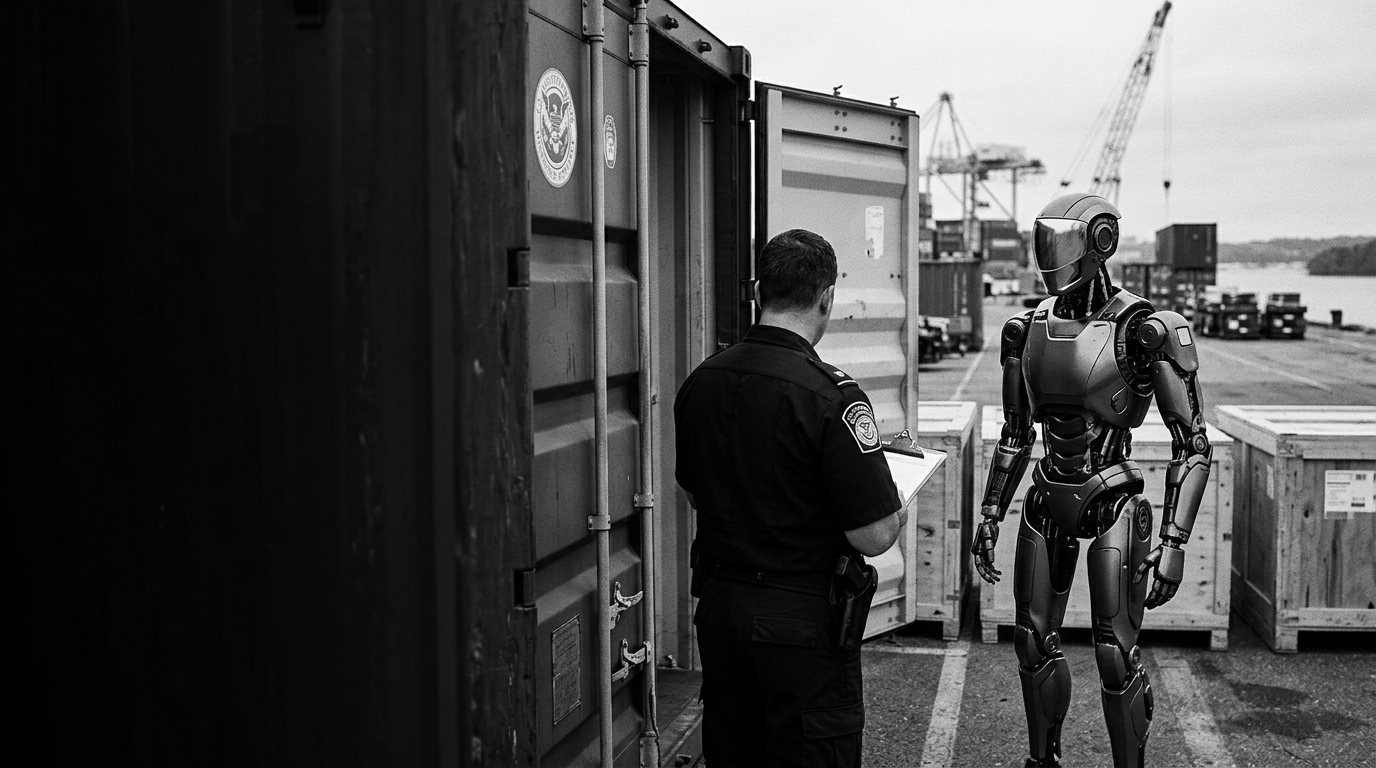
The United States has barred the import of foreign-made humanoid robots, officials citing national security concerns tied to the potential integration of Chinese technology into domestic infrastructure. The measure was enacted in August 2026, according to the source material provided.
Officials framed the decision as part of a broader push to protect U.S. industry and reduce exposure to Chinese manufacturing in emerging technology supply chains. The stated aim is to limit long-term reliance on Chinese-linked components as the humanoid robotics sector grows.
How the ban builds on existing U.S. restrictions
The United States The policy extends existing U.S. restrictions on power inverters used in data centers and solar energy systems, according to the source material. Officials presented this expansion as a continuation of efforts to harden sensitive infrastructure against technology-related risks. In practical terms, the U.S. approach described in the source is built around trade barriers designed to restrict market access. The mechanism is intended to discourage dependency over time, particularly as humanoid robots move from experimental deployments toward wider commercial use. China’s role in the robotics supply chain The source material described China as a central hub in the global robotics supply chain. It said China produces robot components at a scale and cost that competitors struggle to match, giving it an advantage that can shape sourcing decisions across the industry.
Officials have linked the import ban to concerns that Chinese technology could become embedded in systems that support critical domestic operations. The policy is positioned as a step to reduce exposure to that risk by narrowing access to the U.S. market for humanoid robots made abroad.
Market expectations and near-term industry pressure points
Market projections cited in the source underscore why supply-chain control is becoming a policy focus. Morgan Stanley has estimated the humanoid robotics market could reach $5 trillion by 2050 , with more than one billion humanoid robots in use worldwide.
The source material said the new restrictions could push manufacturers to seek alternative suppliers or speed up local production capacity. It also described the move in the context of intensifying U.S.-China competition for industrial autonomy in artificial intelligence and automation.
What remains uncertain
An open question highlighted in the source is how quickly companies can adapt manufacturing and supply chains to comply with the new limits. Another unknown is whether additional technology categories could be targeted by similar U.S. import restrictions in the future.
Implications
Country Impact: Officials said the ban is intended to address national security risks tied to Chinese technology integration into domestic infrastructure. The measure also aligns with a stated of protecting U.S. industry and reducing exposure to Chinese manufacturing in emerging technology supply chains.
Industry Impact: The source material said restrictions could force manufacturers to find alternative sources for robot components or accelerate local production capacity. It described China as a key robotics supply hub with cost and scale advantages, suggesting sourcing adjustments may be difficult for some firms.
Market Impact: With Morgan Stanley estimating the market could reach $5 trillion by 2050 and exceed one billion humanoid robots in use worldwide, the source said supply-chain policy could shape market access and production strategies. The pace of adaptation and whether further import categories are added remain open questions.