Benched QBs McCarthy, Richardson face long odds
Benched first-round QBs J.J. McCarthy and Anthony Richardson face long odds to reclaim franchise roles, based on recent historical outcomes.
Mehmet Şahinoğlu ·
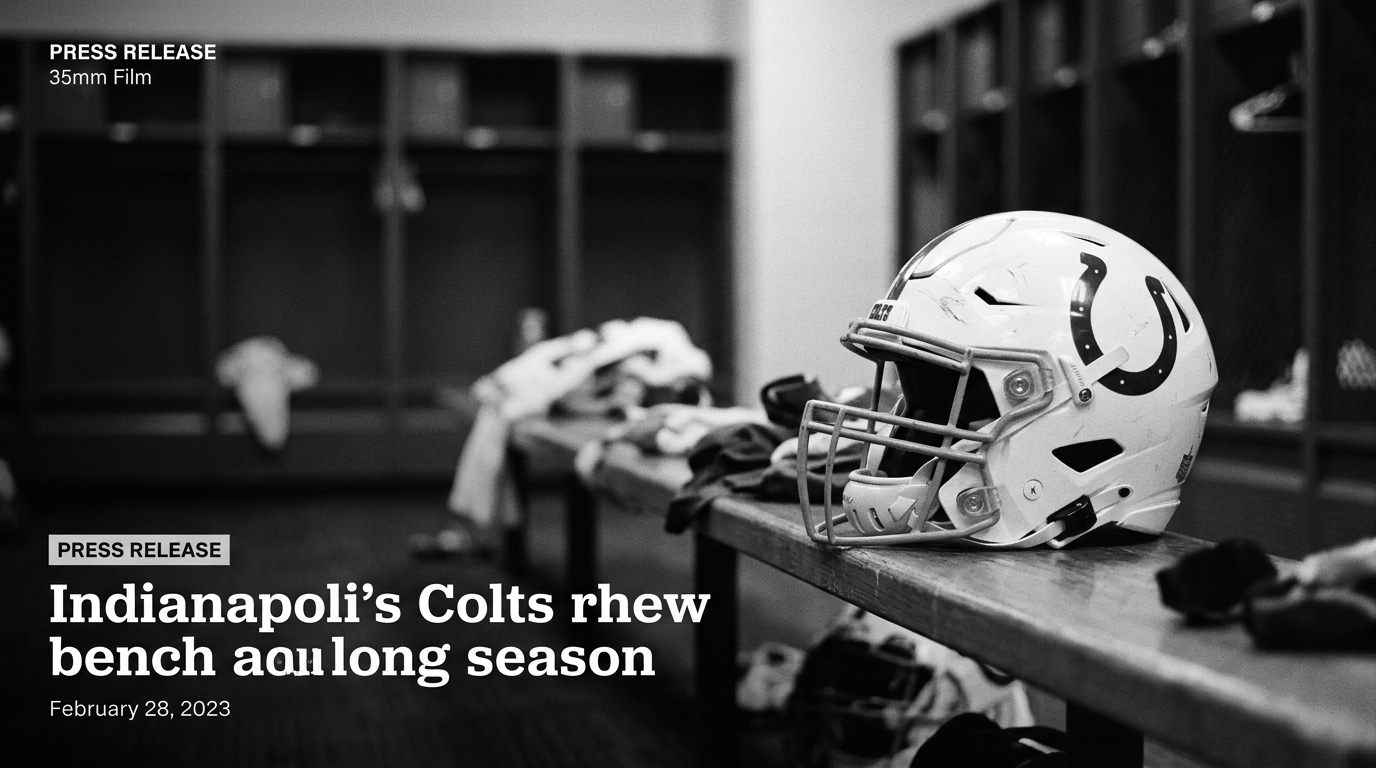
Minnesota Vikings quarterback J.J. McCarthy and Indianapolis Colts quarterback Anthony Richardson are entering a more uncertain phase of their careers after their teams moved to replace them as starters. Both were selected in the first round, a status that typically brings patience and investment, but the shift away from them has narrowed the most direct route to a long-term franchise role in the Football League.
Recent historical precedent suggests that once a first-round quarterback loses a starting job by his third season, the climb back to a durable lead role is uncommon. An analysis of seven recent first-round quarterbacks in that situation outlines a pathway that exists, but rarely ends with a full restoration to franchise-quarterback status.
Historical outcomes after early benching Across the seven-quarterback Historical outcomes after early benching Across the seven-quarterback sample Across the seven-quarterback sample, most players did receive another opportunity at some point. The analysis found that 71 percent eventually started at least one additional NFL game after losing their initial starting role by Year 3. However, the data shows a sharp drop when the bar is raised from “another start” to sustained usage. Only 43 percent of the quarterbacks in the group went on to record 10 or more additional starts, indicating that many follow-up chances were limited, short-lived, or situational rather than a full return to long-term starting duties. The rarest outcome was a complete career reset back into an established franchise leadership role. Just 14 percent of the cohort managed to re-emerge as long-term franchise quarterbacks, making that result statistically narrow and historically uncommon for players with this early-career arc.
Time and development: the Darnold example Minnesota Vikings When a turnaround does happen, the timeframe is often measured in years rather than weeks. The analysis cited Sam Darnold as an example of how extended the process can be: it took him four seasons after leaving the New York Jets to reach what was described as a statistically significant rebound. That example illustrates that “reclamation” tends to come with a multi-year development runway, often involving time outside the original team context and a gradual rebuilding of performance credibility. What typically drives a rebound The analysis suggests that recoveries are more often tied to specific improvements than to a complete reinvention of playing style. In the successful cases referenced, progress showed up through measurable gains in accuracy and efficiency over several seasons. For McCarthy and Richardson, that framing implies a high bar: improvement must be visible in core quarterbacking outputs, and it must be sustained long enough to earn not just a spot-start, but a renewed claim to a primary job.
McCarthy and Richardson’s statistical hurdle
Minnesota Vikings The same historical cohort also indicates how difficult it is to translate another opportunity into high-level performance. Most of the players studied did not produce a top-16 season in expected points added per dropback, a benchmark that can signal starting-caliber effectiveness over a meaningful sample.
As a result, the outlook described by the analysis is two-tiered. Continued NFL employment and occasional game action may remain realistic, but regaining a primary franchise-quarterback role is portrayed as a steep uphill effort constrained by recent precedent.
For the Vikings and Colts, the personnel decisions already made have shifted the immediate competitive focus away from these former first-round starters. For McCarthy and Richardson, the next phase appears defined by incremental development, selective opportunities, and the challenge of beating historically unfavorable odds.