BYD Enters Humanoid Robotics Market With Xiao Di Prototype
Electric vehicle manufacturer BYD is set to debut its Xiao Di humanoid robot in August, signaling a strategic expansion into AI-driven automation.
Atlas Newsdesk ·
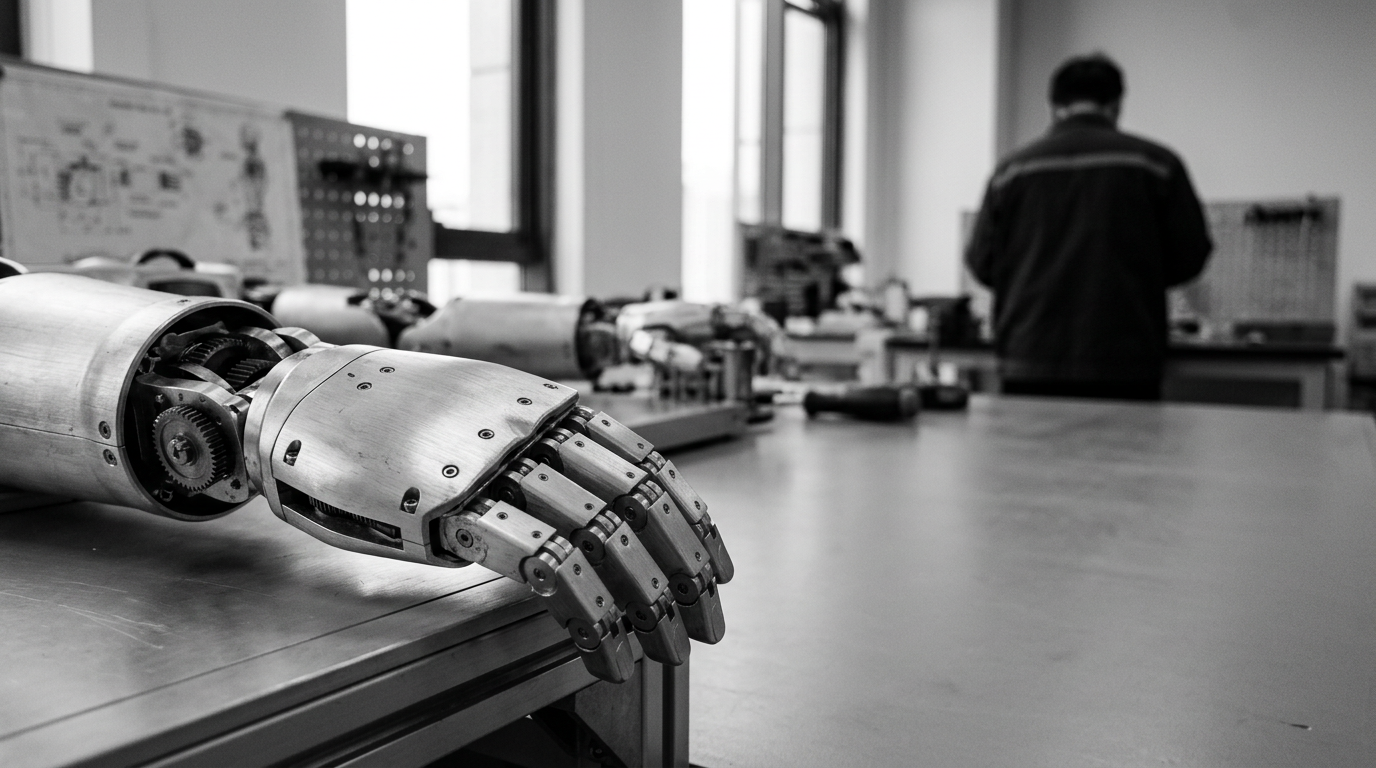
Strategic Expansion into Robotics
Electric vehicle manufacturer BYD is preparing to unveil its latest technological venture, a humanoid robot named Xiao Di, during the first week of August. The prototype is scheduled for a public showcase at the company’s experience center located in Zhengzhou, marking a significant shift in the firm's focus toward advanced robotics.
Industry observers note that this move intensifies the ongoing competition among automotive giants to integrate artificial intelligence and sophisticated automation into their broader business models. By diversifying its portfolio, the company aims to leverage its existing expertise in manufacturing to capture new segments within the robotics industry.
Technical Specifications and Capabilities
Reports indicate that the Xiao Di unit features a movement system boasting 31 degrees of freedom. Furthermore, the machine is equipped with an AI architecture capable of 360-degree environmental perception. These technical attributes are designed to facilitate precise object manipulation and real-time spatial modeling.
Company officials have stated that the primary objective for these robots involves enhancing customer engagement and product demonstrations at retail locations. While the initial deployment focuses on service-oriented tasks, the technology is also being developed with potential applications for domestic environments in mind.
Operational Integration and Future Outlook
BYD already utilizes various robotic solutions across its existing production facilities to maintain operational efficiency. The introduction of this humanoid model confirms a broader intent to scale automation capabilities beyond the factory floor and into the service sector.
While the transition to commercial use remains a future target, the project represents a core component of the company’s long-term strategy to increase market share. Uncertainties remain regarding the timeline for mass production and the specific challenges of integrating such complex hardware into public-facing roles.