Brookland Stalwart: Remembering Yvonne Johnson’s Fight Against Displacement
District Dig published a remembrance on June 7, 2025, honoring Yvonne Johnson, a longtime Brookland resident and community leader known for organizing agai…
Sophie McAlister ·
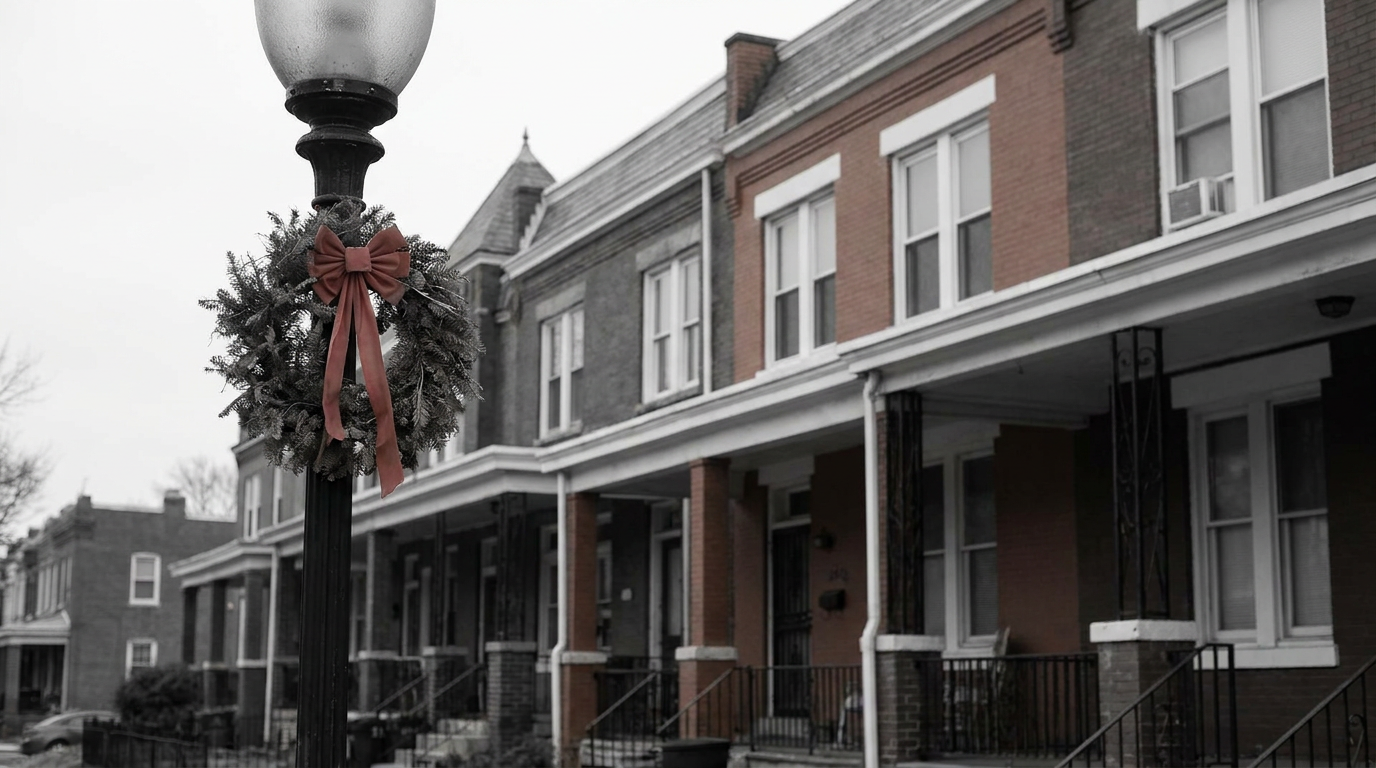
District Dig published a remembrance on June 7, 2025, honoring Yvonne Johnson, a longtime Brookland resident and community leader who mobilized neighbors to resist displacement as new development reshaped parts of Northeast Washington, D.C. The piece profiles Johnson’s local leadership and the neighborhood fights she helped lead, placing her work in the context of Brookland’s recent growth and housing pressures.
The remembrance describes Johnson as a stalwart presence in Brookland who spent years advocating for residents facing the threat of being pushed out by rising rents and redevelopment. It credits her with persistent neighborhood organizing and with amplifying resident concerns to local civic bodies and elected officials. The article frames her work as part of a broader community effort to keep longterm neighbors in place amid changing real estate dynamics.
Brookland, a residential neighborhood in Northeast D.C., has seen increased development interest in the past decade, including new apartment projects and commercial conversions. Those changes have added market pressure on housing affordability and spurred debates among residents, neighborhood associations and the Advisory Neighborhood Commission about how to balance growth with preservation of community ties. The remembrance uses Johnson’s story to highlight those tensions.
Local organizing and neighborhood memory
The piece emphasizes Johnson’s role in neighborhood-level activism: attending public meetings, coordinating with neighbors and insisting that development proposals include protections for existing residents. Neighbors quoted in the remembrance recall her as a visible organizer who focused attention on displacement risks and housing stability. The article treats her work as an example of grassroots civic engagement that shapes how projects and policy are debated in the city.
Johnson’s efforts are presented as representative of a broader coalition of residents, faith groups and community organizations that have pushed for tenant protections and for development plans that include affordable units or other mitigations. The remembrance notes that these fights are ongoing across Washington neighborhoods where redevelopment is most active.
What Brookland’s story signals for the city
By centering Johnson’s activism, the article connects a personal portrait of local leadership to structural questions about housing and development in D.C. It highlights how individual organizers can influence planning outcomes and keep community concerns on the agenda at public hearings and in conversations with city officials. The remembrance frames Johnson’s legacy as tied to those practical, place-based interventions.
As Brookland continues to evolve, the remembrance suggests that the neighborhood will keep wrestling with the same balance of investment and affordability that has defined much of D.C. in recent years. Johnson’s example is presented as a touchstone for residents who want to shape how future projects affect longtime neighbors.
Local residents and civic bodies will likely continue debating development proposals and housing policy in the coming months, with organizers drawing on memories of leaders like Johnson when pressing for protections. Observers should watch local ANC meetings, developer filings and community forums for the next chapters of Brookland’s housing conversations.