British Museum Turns Away Visitors Over Bayeux Tapestry Viewing
The British Museum limited Bayeux Tapestry viewing times due to high demand and strict conservation rules, highlighting challenges for exhibits.
Ayla Demirhan ·
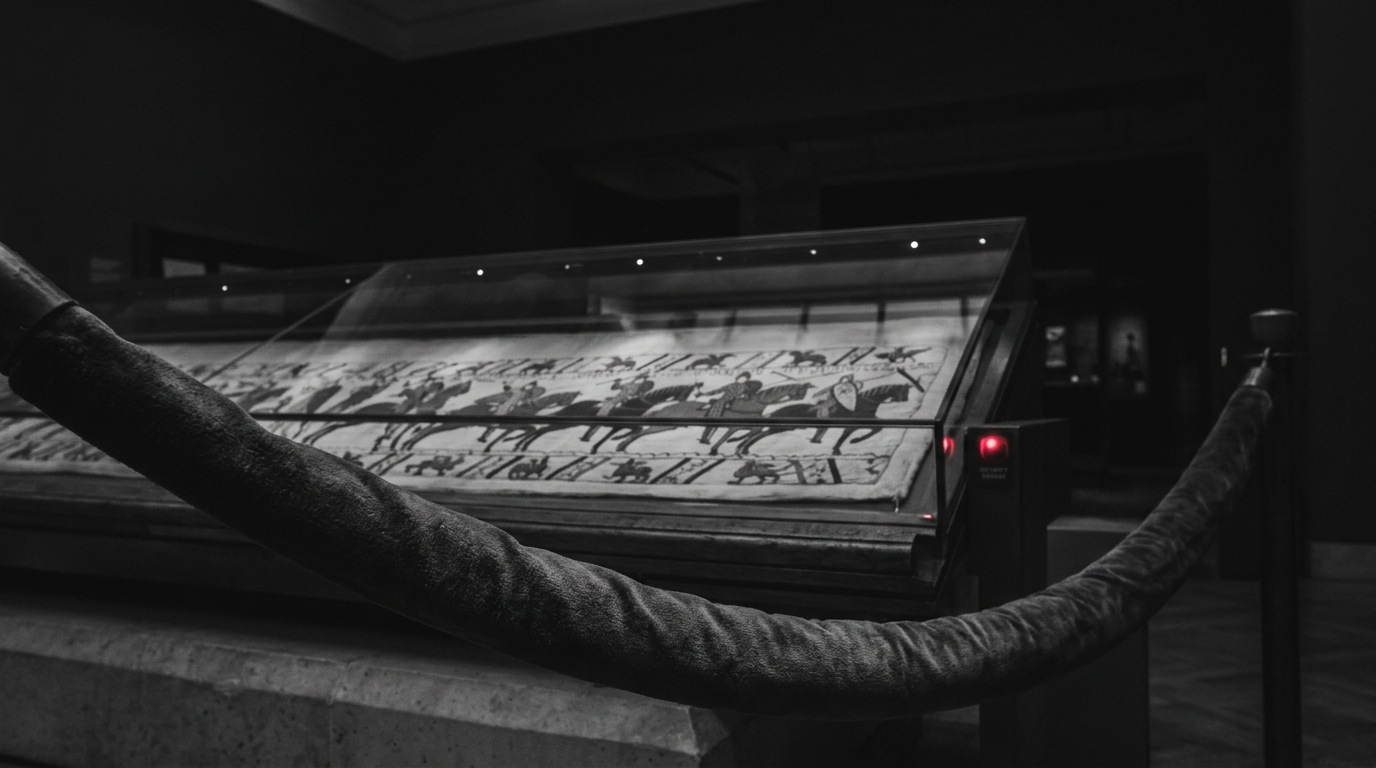
The British Museum has turned away visitors attempting to view the Bayeux Tapestry after some spent too long observing the 68-meter artwork. This issue arose during a preview period for staff, volunteers, and community groups, highlighting challenges in managing visitor flow for the sold-out exhibition.
Visitor Flow Challenges Emerge
The museum attributed the turn-aways to visitors exceeding their allotted 40-minute viewing slots and strict conservation rules imposed by the tapestry's French owners. A British Museum spokesman described the initial weekend as a "testing period," acknowledging that demand at times "exceeded capacity." While most attendees saw the tapestry, those turned away received offers for alternative viewing dates.
Conservation Rules Dictate Access
France, as a condition for lending the historic embroidery, stipulated a maximum number of Lux hours, limiting the light exposure the degradable material can receive. This requirement meant the initial week operated with significantly fewer viewing hours than a typical public week. Unlike its permanent horseshoe display in Bayeux, France, the tapestry is presented in a straight line at the British Museum, which museum sources believed would encourage self-regulation among viewers.
Viewer Engagement Exceeds Expectations
Professor Michael Lewis, the British Museum's lead curator, stated the museum would trust viewers to adhere to time limits rather than enforce movement. However, an early viewer noted the tapestry's compelling nature, depicting events leading to the 1066 Battle of Hastings and the Norman Conquest, made it difficult for people to move along. This caused delays and prevented some ticket-holders from entering.
Implications for High-Demand Exhibitions
The incident underscores the operational complexities of hosting high-profile, sensitive artifacts with limited viewing capacities. Museums must balance visitor experience with conservation demands and crowd management, particularly for exhibitions with pre-booked, timed entry. The Bayeux Tapestry's unique historical significance and conservation needs amplify these challenges, setting a precedent for future international loans of fragile artworks.
Future Operational Adjustments
The British Museum's experience with the Bayeux Tapestry suggests a need for refined visitor management strategies for similar exhibitions. While the museum aims for visitors to self-regulate, the initial turnout indicates that the allure of such a rare display can lead to longer engagement times than anticipated. Future planning may involve clearer communication of time limits, more stringent enforcement, or adjustments to the number of visitors allowed per slot to prevent similar disruptions.
Broader Cultural Exchange Considerations
This event also highlights the broader dynamics of international cultural exchange, where lending institutions impose strict conditions to protect invaluable artifacts. These conditions, while essential for preservation, can create operational hurdles for host museums and impact public access. Successfully navigating these challenges is crucial for fostering continued global collaboration in art and history exhibitions, ensuring both preservation and public engagement.
Outlook for Visitor Management
The British Museum will continue to operate under strict conservation requirements, including staggered visit times. If visitors consistently exceed the 40-minute viewing window, the museum may face ongoing challenges in accommodating all ticket holders, potentially leading to further turn-aways. Conversely, if public awareness of time limits improves and visitors adhere more closely, the museum can maintain its current capacity. The main open question is whether the museum's reliance on visitor self-regulation will prove sustainable against the tapestry's powerful draw, impacting both visitor satisfaction and the museum's operational efficiency.