Ancelotti Extends Brazil Coaching Contract
Brazil's Football Confederation announced on May 15, 2026, the extension of coach Carlo Ancelotti's contract until the 2030 FIFA World Cup.
Mehmet Şahinoğlu ·
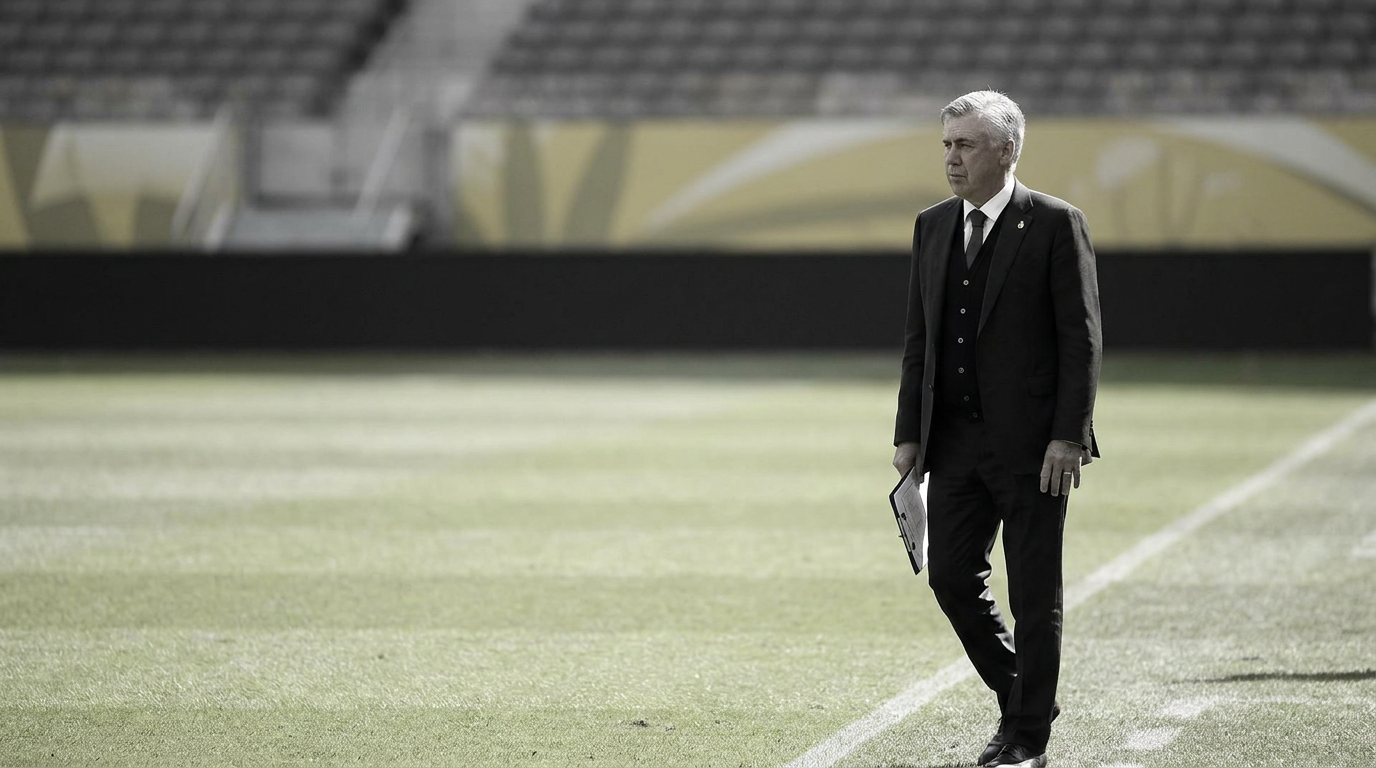
Ancelotti's Extended Tenure with Brazil
The Brazilian Football Confederation officially announced on May 15, 2026, that head coach Carlo Ancelotti has signed an extension to his contract. This new agreement secures his position with the national team through the 2030 FIFA World Cup. The decision comes approximately one year after Ancelotti assumed leadership of the Brazilian squad in May 2025.
Under Ancelotti's guidance, the Brazilian national team has competed in ten matches, achieving five victories, two draws, and three defeats. During these fixtures, the team scored 18 goals while conceding 8. Brazil is set to participate in the 2026 FIFA World Cup, co-hosted by the United States, Canada, and Mexico, from June 11 to July 19, where they will face Morocco, Haiti, and Scotland in Group C.
Strategic Vision and Future Plans
The Italian coach boasts an impressive career, having managed prominent European clubs such as Juventus, AC Milan, Chelsea, Paris Saint-Germain, Real Madrid, and Bayern Munich, accumulating numerous accolades. This contract extension signals a long-term commitment to Ancelotti's vision for the Brazilian national team, aiming for sustained success on the international stage.
This extension underscores the federation's confidence in Ancelotti's ability to develop the team and achieve future World Cup glory. It also provides stability for the squad as they prepare for upcoming major tournaments, including the 2026 World Cup. The move suggests a strategic shift towards continuity in leadership, a departure from previous shorter-term appointments.
Implications for Brazilian Football
One significant implication of this extension is the potential for a more cohesive and long-term development strategy for Brazilian football. With Ancelotti at the helm for an extended period, there is an opportunity to implement a consistent playing philosophy and integrate younger talent more effectively. However, the success of this strategy will heavily depend on the team's performance in major competitions, particularly the upcoming 2026 World Cup.
A potential risk associated with such a long-term commitment is the pressure to deliver immediate results, especially given Brazil's high expectations in international football. Should the team underperform in the near future, the federation might face scrutiny despite the extended contract. This decision also impacts the global coaching market, as a highly sought-after manager like Ancelotti is now off-limits for other national teams for the foreseeable future.
Looking Ahead to 2026 and Beyond
The immediate focus for Ancelotti and his squad will be the 2026 FIFA World Cup. Their performance in Group C against Morocco, Haiti, and Scotland will be a crucial early test of the extended tenure. Beyond 2026, the 2030 World Cup represents the ultimate goal, allowing Ancelotti ample time to shape the team to his specifications. This long-term planning is a clear signal of the federation's ambition to reclaim football's top prize.