Brent oil rises as Kharg reports test supply nerves again
Brent oil rose to its highest since late July as Saudi outages, Kharg Island reports and Hormuz transit talks pulled supply risk into focus.
Atlas Newsdesk ·
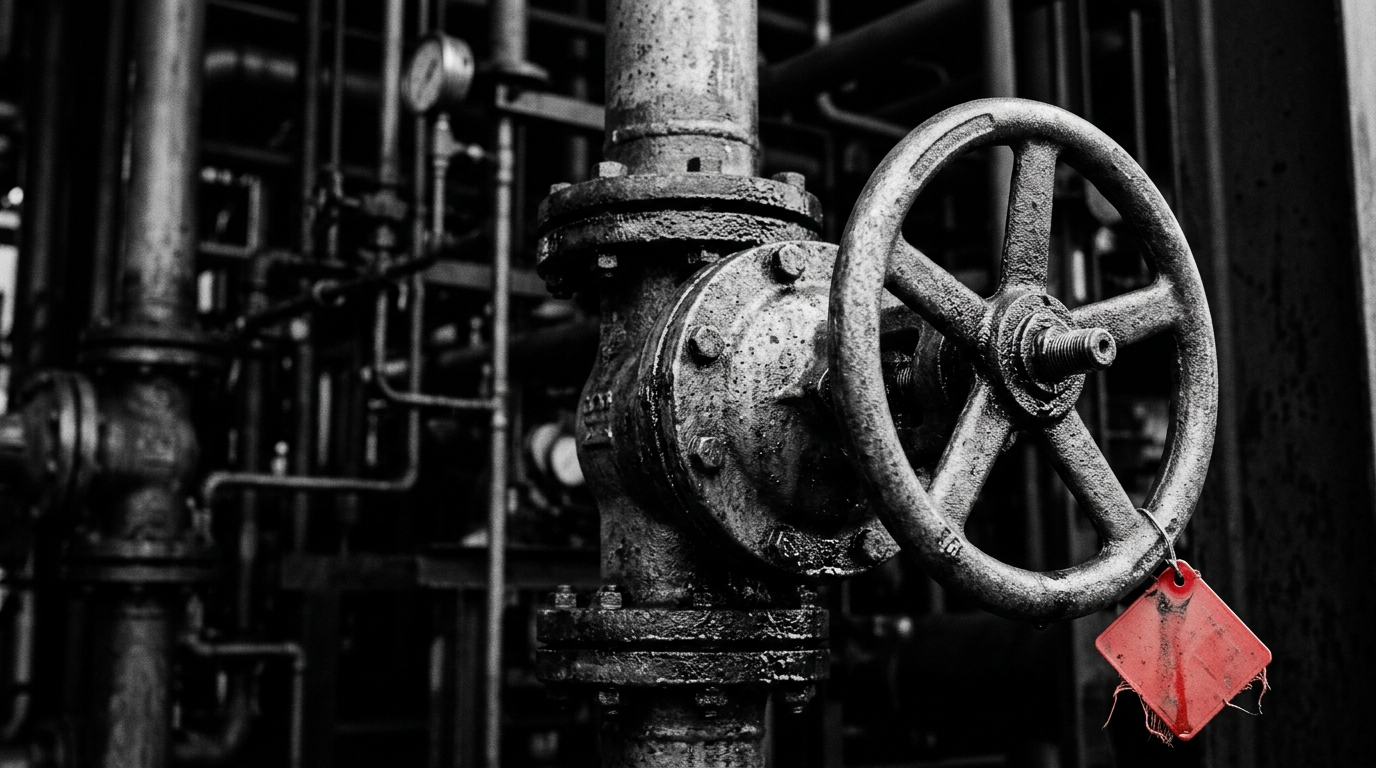
Brent oil rose 1% to near $98 a barrel, its highest since late July, after Saudi attacks and Kharg Island explosion reports.
The global benchmark had approached $100 earlier Tuesday before settling near $98, exchange data showed. West Texas Intermediate closed near $93, its highest since early June, leaving the US contract below Brent while both moved through a session dominated by Middle East supply headlines.
Saudi Arabia said operations at several energy facilities were halted after Houthi attacks. Semi-official Iranian media reported that explosions were heard on Kharg Island, Iran’s main oil export facility, a claim that kept traders focused on whether exports from the Gulf could face another disruption.
Kharg report shifts settlement
Prices gained ahead of Brent’s settlement after the Kharg Island reports circulated. The island matters because it serves as Iran’s main outlet for crude exports, making any sign of damage there more important than a routine security incident.
Goldman Sachs analysts including Daan Struyven said in a note that markets were increasingly attaching value to a longer Middle East conflict. The bank modestly raised its oil-price estimates on the assumption that shipping disruption lasts into 2027; it also said risks to its forecast were tilted higher.
Jazan refinery deepens supply concern
The Houthi group said it again targeted Saudi Arabia’s 400,000 barrel-a-day Jazan refinery, along with facilities serving the domestic market. The group has described its blockade of Saudi oil flows as a response to the Saudi siege of Yemen’s capital, Sana’a.
The attacks put pressure on the largest producer in the Organization of the Petroleum Exporting Countries at a time when the wider Iran conflict is already affecting shipping calculations. Refined-fuel pricing added another pressure point: Europe’s diesel benchmark was nearing $200 a barrel, compared with Brent’s settlement near $98.
Brent is now up more than 60% so far this year compared with its level at the start of the year. A sustained rise in crude and diesel can feed inflation through transport, power and production costs, giving central banks less room to ease policy if consumer prices remain sticky.
Hormuz route tempers rally
Oil retreated from session highs after Iranian Foreign Minister Abbas Araghchi said "significant progress" had been made in talks with Oman over a temporary route through the Strait of Hormuz. The comment came during a call with his Japanese counterpart, according to an Iranian statement.
Iran had earlier said an accord with Oman was close and would include safe passage through one of the world’s most sensitive oil transit points. Tehran also warned that ships could face attack near Oman on a route the US has used to help vessels cross the waterway.
If a temporary Hormuz route is implemented and Saudi outages prove brief, the immediate macro channel would be lower fuel-price pressure. Brent would have less support from shipping risk, while refiners and shippers would face a narrower diesel squeeze.
If attacks persist or Kharg flows are confirmed to be disrupted, the mechanism runs the other way: higher freight risk and tighter crude availability would lift input costs for consumers, support Goldman’s higher price case and raise strains across refining and shipping. The main unresolved points are whether Kharg suffered operational damage, how long the Saudi stoppages last and whether the Oman route can carry enough traffic to matter.