Brazil Potash says 28-year power deal shifts capex to opex at Autazes
In a company press release dated Sept. 14, 2026, Brazil Potash said it signed a 28-year agreement with Gera Center to supply modular power during construction and then serve as backup once the mine is operating. The company frames the deal as reducing upfront capex for the Autazes project, but did n
Hannah Vogel ·
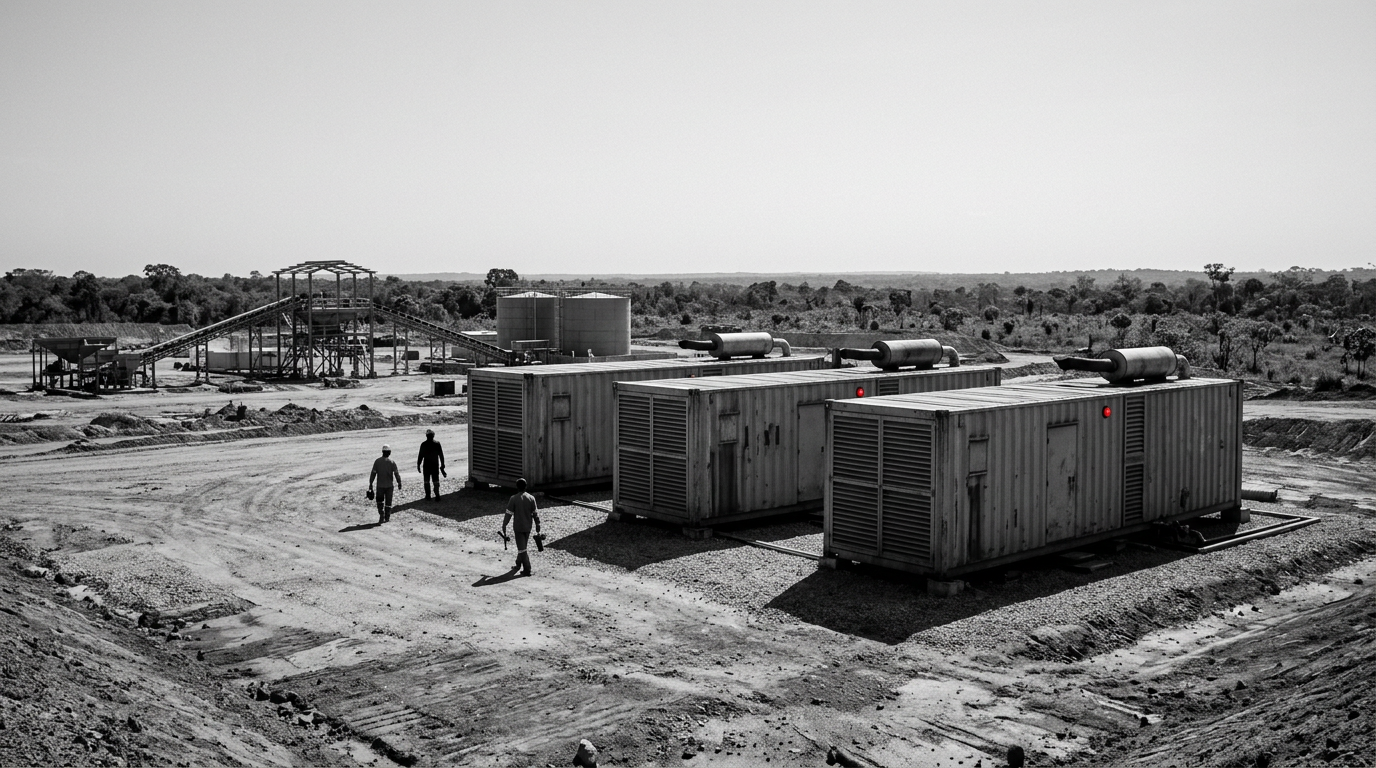
In a press release dated Sept. 14, 2026, Brazil Potash said its Brazilian subsidiary signed a definitive agreement with Gera Center for a modular power plant to serve the Autazes Potash Project for 28 years — five years as the construction power source and 23 years as backup power once the mine is running. The company framed the structure as reducing upfront capex for the project. This is single-source — a GlobeNewswire statement with no independent confirmation, and the release does not disclose capacity, fuel mix, pricing, or indexation.
A 28-year power service term trades an immediate outlay for a long tail of obligations
The headline claim is straightforward: shift a portion of energy spend from construction capex into an operating service over a 28-year term. For an early-stage mine, deferring cash at notice-to-proceed is not a small consideration; power systems are typically among the biggest non-process capital items on a remote site. The trade, however, is a contracted payment stream that persists decades beyond first production, even after power transitions to a backup role. Without disclosed figures on tariffs, availability charges, or escalation, the magnitude of the “capex reduction” is impossible to evaluate against the opex tail the company has committed to. The release also does not specify whether payments during the backup phase are capacity-based, usage-based, or a hybrid, a distinction that determines whether this is a standby insurance policy or a quasi-fixed cost embedded in the unit cost of potash.
In the Amazon, backup power is an operating choice with strategic implications
Autazes sits in Amazonas, where grid reach and reliability vary by locality. Brazil Potash’s decision to keep a dedicated plant on a 23-year standby basis, if executed as described, suggests the company is buying resilience rather than betting purely on grid stability. That can be prudent, but it also sets a precedent that many extractive projects wrestle with: paying for redundancy as a service rather than as owned equipment. Over decades, that choice will influence the mine’s cost curve, procurement tactics for energy inputs, and the risk profile investors assign to sustained operations. The press release does not indicate whether the plant will run on diesel, gas, or hybridized technologies, or whether the backup role is sized for full-site load or critical systems only. Each variable drives the unit cost and environmental footprint and will matter for any downstream offtake partners who increasingly scrutinize energy provenance in supply contracts.
The capex-to-opex swap won’t read as savings if indexation and penalties bite
Energy-as-a-service contracts often include index-linked fuel pass-throughs, availability guarantees with liquidated damages, and change-in-law protections. None of those are disclosed here; that is not unusual for a press release, but it does mean the economics can flip fast if fuel prices or inflation run hot. A five-year construction phase is long; if commissioning timelines slip, the construction tariff period could easily extend into the window traditionally reserved for ramp-up buffer, with consequences for cash burn. The 23-year backup phase, meanwhile, raises the question of minimum payments: do fixed capacity charges apply even if the plant seldom runs? Investors will need to see whether these obligations are recognised as service costs or lease-like liabilities on balance sheet; the accounting treatment will signal how much of the “reduced capex” simply reappears as a long-lived financial commitment.
Procurement, not engineering, is now the centre of gravity for this risk
By outsourcing construction and long-term backup power, Brazil Potash has shifted the risk locus from EPC capex management to contract governance. The next value gates won’t be about equipment selection; they will be about escalation caps, force majeure allocations, step-in rights, spares logistics, and whether the backup plant’s O&M regime integrates with the mine’s maintenance windows. If procurement has negotiated a usage-based structure for the backup phase with tight availability floors and capped indexation, this can be a disciplined hedge. If not, the deal risks embedding a structural cost wedge that is hard to unpick at renewal — especially if the contract ties the plant to bespoke interfaces that make switching vendors expensive. The release’s lack of detail on termination rights and renewal mechanics leaves open whether Brazil Potash can rebid the backup service or refinance it mid-term if grid conditions or technology costs shift.
What the omission hides: capacity, fuel, emissions and community context
On the facts disclosed, we do not know how big this plant is, what fuel it will consume, the emissions profile, or whether there are commitments to transition fuels or integrate renewables over the term. For a project likely to face environmental and social scrutiny simply because of its location, those specifics are not minor. If the plant is diesel-based, the operating cost and logistics of fuel supply in Amazonas become a core supply-chain question; if it is gas, then the availability and price volatility of gas in the region matter. If it is hybridized, then storage cycling and inverter uptime will dictate availability metrics. The release offers no assurance level on any sustainability claims because it makes none; that is a limitation, not a sin, but operators and offtakers should treat this as an open item. Without these data points, claims of “reducing upfront capex” cannot be weighed against the environmental or operating-cost tradeoffs the 28-year term implies.
Energy-as-a-service in extractives is becoming a financing tool — but it’s not free
Vendors like Gera Center benefit from securing long-term contracted revenue streams tied to mission-critical infrastructure. For miners, such deals can accelerate timelines and keep capital intensity within lender covenants. The catch is that these contracts often behave like utility PPAs with industrial tail risk: escalation, fuel pass-throughs, and performance penalties that persist even if production volumes fall. In a backup configuration, the cost-per-MWh used can look punitive precisely because most of the value is in availability, not energy. That is acceptable if the power plant averts expensive disruptions, but it will read poorly if the mine ends up using the plant rarely while still paying fixed charges. That risk is what procurement has to price — and what investors will look to the company’s future filings to quantify.
The skeptical read: a backup plant that could become a stranded cost
Critics of long-duration backup PPAs in mining argue that they ossify outdated technology and tariff structures for decades. If grid reliability improves, or if technology costs fall sharply (for example, storage plus solar), a 23-year backup contract can look like an anchor. Conversely, if the project does not reach anticipated throughput, standby costs spread over fewer tonnes will lift unit costs and dull competitiveness. The press release does not say whether Brazil Potash has reopener clauses to reprice or replatform the backup plant; without them, the contract could be expensive to unwind or adapt. The counterpoint is obvious: mines value certainty, and in geographies where power uncertainty is a real operational risk, paying for resilience is rational. The real test will be whether the company can disclose terms that indicate it bought flexibility, not just near-term relief on capex.
What to watch in disclosures over the next two quarters
Three disclosures will tell operators and analysts what this deal actually means. First, capacity and fuel: if Brazil Potash or Gera Center publishes the plant’s nameplate and primary fuel, we can benchmark likely cost and logistics exposure. Second, payment structure: whether the backup phase is capacity-based, usage-based, or hybrid, and how escalation is set — CPI, fuel index, or both. Third, accounting treatment: whether the company recognises a service commitment expensed over time or a lease-like liability; that line choice will reveal how much capex deferral shows up as balance sheet obligation. Any environmental permitting updates or references to emissions controls would also signal whether the company is preparing for stakeholder scrutiny on the plant’s profile. Until then, “reduced upfront capex” is a promise without a denominator.
This is, by the company’s own release, a definitive agreement following a prior memorandum of understanding. It moves Autazes’ power plan from a concept to a contracted service. For operators elsewhere, the lesson is not that capex deferral is free money; it is that energy-as-a-service brings a discipline problem into procurement and long-term risk into operating costs. The work now is to read the fine print Brazil Potash has not yet disclosed — and decide whether the hedge is worth the tail.