China's Solar Capacity Surpasses Coal as Primary Power Source
China's installed solar photovoltaic capacity has exceeded coal, becoming the nation's largest power generation source, driving a shift to renewables.
Atlas Newsdesk ·
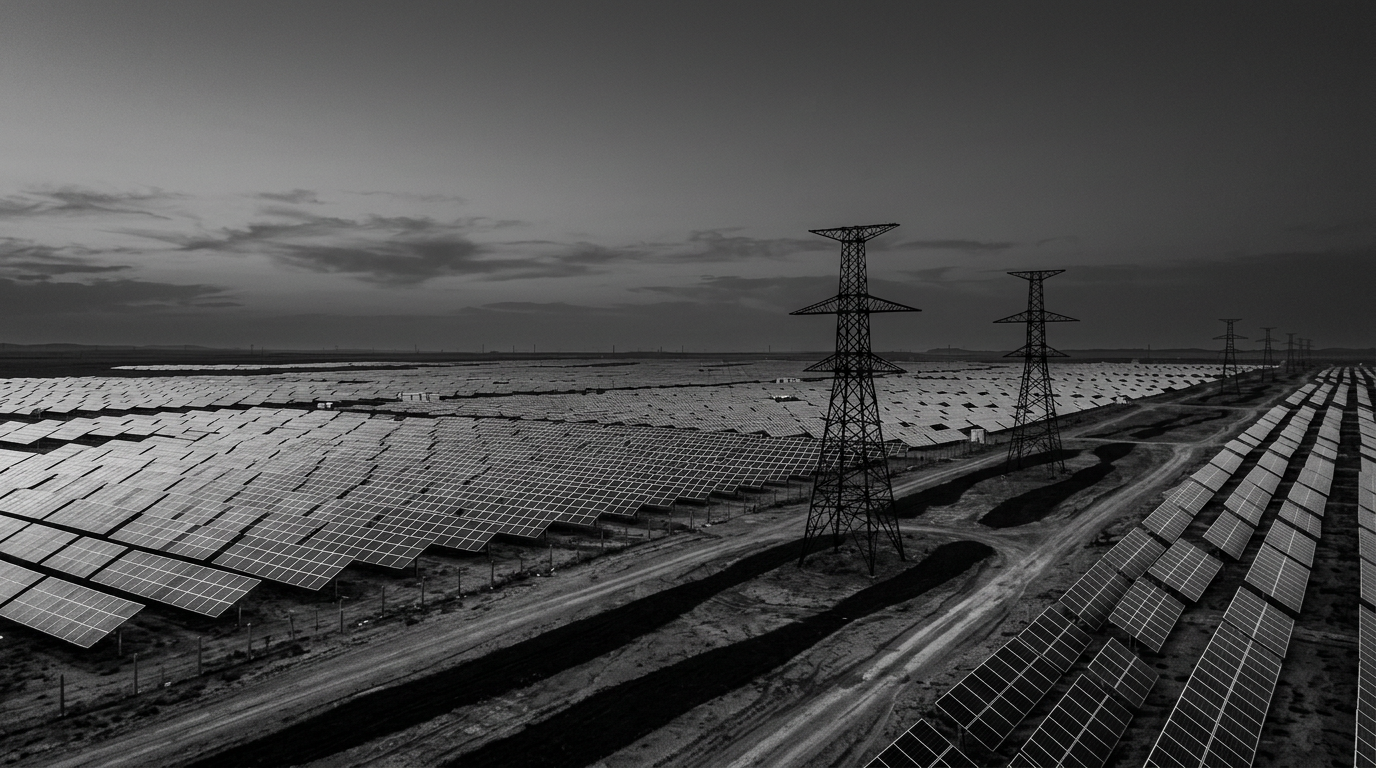
China's installed solar photovoltaic (PV) capacity has now surpassed that of coal, establishing itself as the country's leading source of power generation capacity. This milestone marks a significant shift in the nation's energy composition, underlining a strategic commitment to renewable resources. The country's solar capacity reached 1,286 gigawatts, constituting 31.5 percent of its total installed capacity, as reported by officials.
Despite solar's ascendancy in installed capacity, its actual electricity generation contributed 13 percent to total consumption through July of the current year. This disparity between potential and realized output is primarily attributed to the intermittent nature of solar energy and existing limitations within the grid infrastructure. Coal continues to hold a substantial role in the overall energy mix, though its share of total generated electricity fell below 50 percent during the first half of the year, signaling an ongoing energy transition.
Grid Modernization Efforts
Integrating such a vast amount of intermittent renewable capacity demands significant investment in modernizing the power grid infrastructure. Officials have underscored the critical importance of developing a 'new-type power system' to effectively manage the inherent volatility associated with renewable energy sources like solar. This extensive modernization initiative encompasses advanced transmission technologies, robust energy storage solutions, and smart grid capabilities, all aimed at ensuring system stability and reliability across network.
China's scale of renewable energy deployment is unprecedented globally. Over the past decade, the nation has consistently invested heavily in both solar manufacturing and its widespread deployment. This sustained effort has not only transformed its domestic energy landscape but has also solidified China's position as a global leader in renewable technology and associated supply chains.
Global Solar Market Influence
The nation maintains a dominant position within the global solar supply chain, producing approximately 80 percent of the world’s solar modules. This manufacturing prowess positions China as a critical player in the international transition towards cleaner energy. Its substantial influence over the cost and availability of solar technology worldwide consequently impacts global energy markets and various climate initiatives, shaping the pace of decarbonization efforts.
The continuous expansion in renewable capacity, particularly solar, presents both considerable opportunities and challenges. While contributing significantly to global decarbonization efforts, the imperative for a robust and flexible grid infrastructure remains a paramount concern. Future developments are expected to focus on enhancing grid resilience and expanding energy storage solutions to keep pace with the rapid deployment of renewable energy.
Ongoing Energy Transition
The transition from a coal-dominated energy system to one increasingly reliant on renewables is a complex, long-term endeavor. While installed capacity provides a measure of potential, the operational output highlights the need for technological advancements and infrastructure upgrades. The commitment to grid modernization and energy storage solutions will be key determinants in realizing the full potential of China's extensive solar investments and achieving its broader energy sustainability goals.