Australia bans under-16 social media, sets A$54.6m fines
Australia bans under-16 social media use, makes platforms enforce age checks, and sets A$54.6m fines ahead of a Dec. 10, 2025 start.
Jason Kwon ·
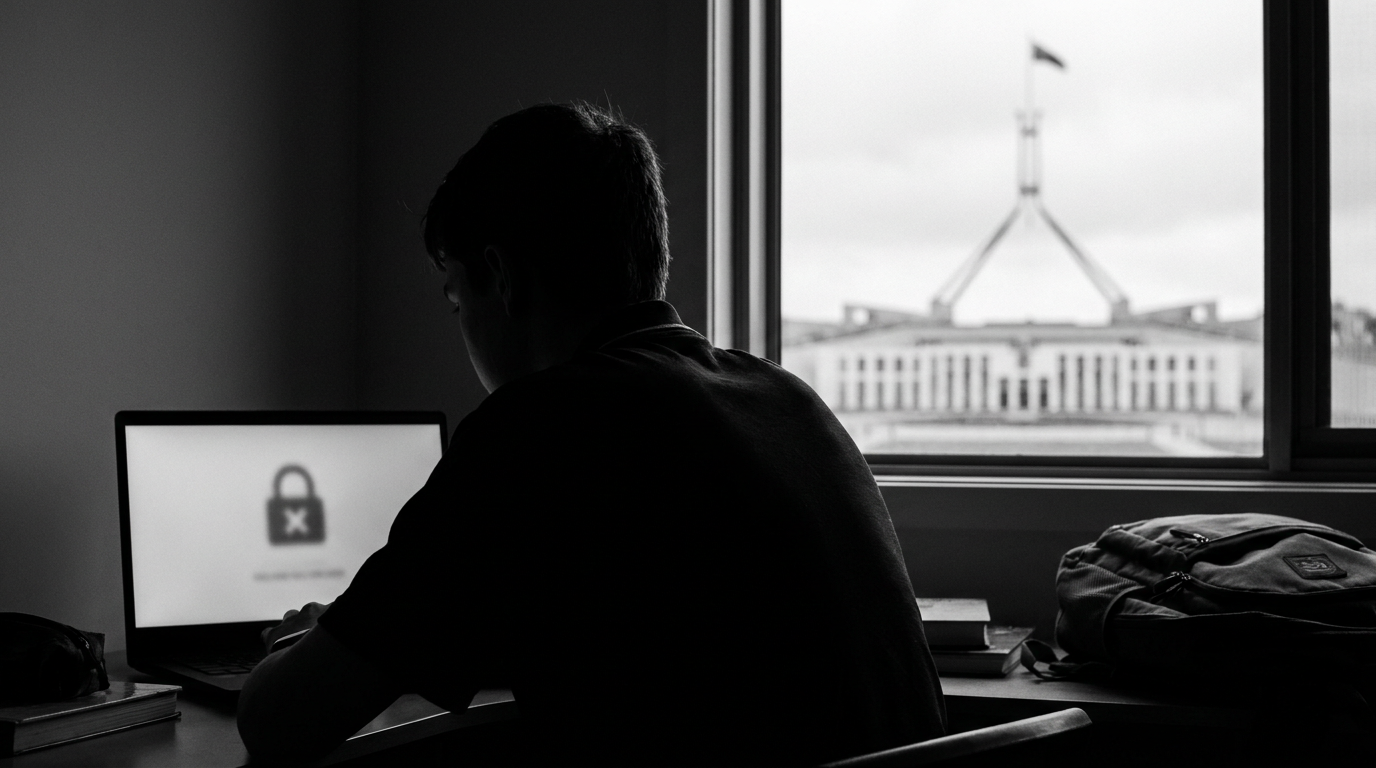
Australia has passed a national law that bars people under 16 from using social media and makes digital platforms responsible for preventing adolescent accounts. Under the legislation, companies that fail to block underage users can face penalties of 54.6 million Australian dollars.
The mandate is scheduled to start on December 10, 2025. Officials said the delayed start is designed to give technology companies time to install strict age-verification systems before enforcement begins.
Platforms required to run robust age checks
The law places the compliance duty on technology firms rather than on parents, schools, or individual users. It requires companies to implement age checks that are strong enough to stop minors from creating new accounts or keeping existing ones.
Officials framed the penalty structure as a way to ensure the policy is enforced through platform-level controls. The approach is being watched closely as a prominent test of whether governments can practically limit youth access to global digital networks through technical safeguards.
Legal action and operational uncertainty before December 2025
A legal challenge is already emerging ahead of the deadline. Two 15-year-olds, backed by an advocacy organization, have sought a High Court injunction to block the measure.
High Court
The proceedings introduce uncertainty over whether the law will be applied as written on December 10, 2025. As the date approaches, officials and researchers are expected to track compliance rates and examine how companies deploy verification tools in practice.
International momentum and US legal backdrop
Australia’s move comes as other governments consider similar age-based restrictions. According to the source material, Norway, Indonesia, Brazil, and the United Kingdom are drafting comparable regulatory frameworks.
The broader push follows court outcomes in the United States where juries ordered Meta to pay nearly $1 billion in penalties during 2026 linked to youth safety liabilities. That legal context has heightened scrutiny of how platforms manage risks for younger users.
Teen workarounds and limited intent to quit
Adolescents are already exploring ways to bypass potential checks. The source material describes workarounds such as changing physical appearance to try to pass biometric age-verification systems.
A recent survey cited in the source found only a quarter of teenagers planned to stop using the platforms once the Australian restrictions begin. Jeff Hancock, founding director of the Stanford Social Media Lab, said teenagers view the ban as disruptive to existing social and economic networks, including sports teams, small businesses, and connections with extended family.
Mental health evidence remains contested, with calls to focus on algorithms After about two decades of research, the scientific consensus on whether social media directly causes declines in adolescent mental health remains inconclusive, according to the source material. Some harms—such as bullying and exposure to illicit content—are documented, while population-level studies have not definitively identified social platforms as the main driver of worsening youth well-being.
Researchers are increasingly urging policymakers to shift from broad access bans toward more targeted oversight of platform algorithms. Candice Odgers, an expert in adolescent mental health at the University of California, Irvine, said policymakers should prioritize building supportive digital spaces instead of relying on outright prohibitions. Researchers also expect the Australian rollout to function as a natural experiment, with regulators in other countries watching compliance and the limits of technical enforcement as December 2025 nears.