Audi freezes F1 power unit upgrades until 2027
Audi freezes F1 power unit upgrades for the rest of 2026, citing the budget cap, after a Barcelona adjustment and ahead of a 2027 hardware step.
Mehmet Şahinoğlu ·
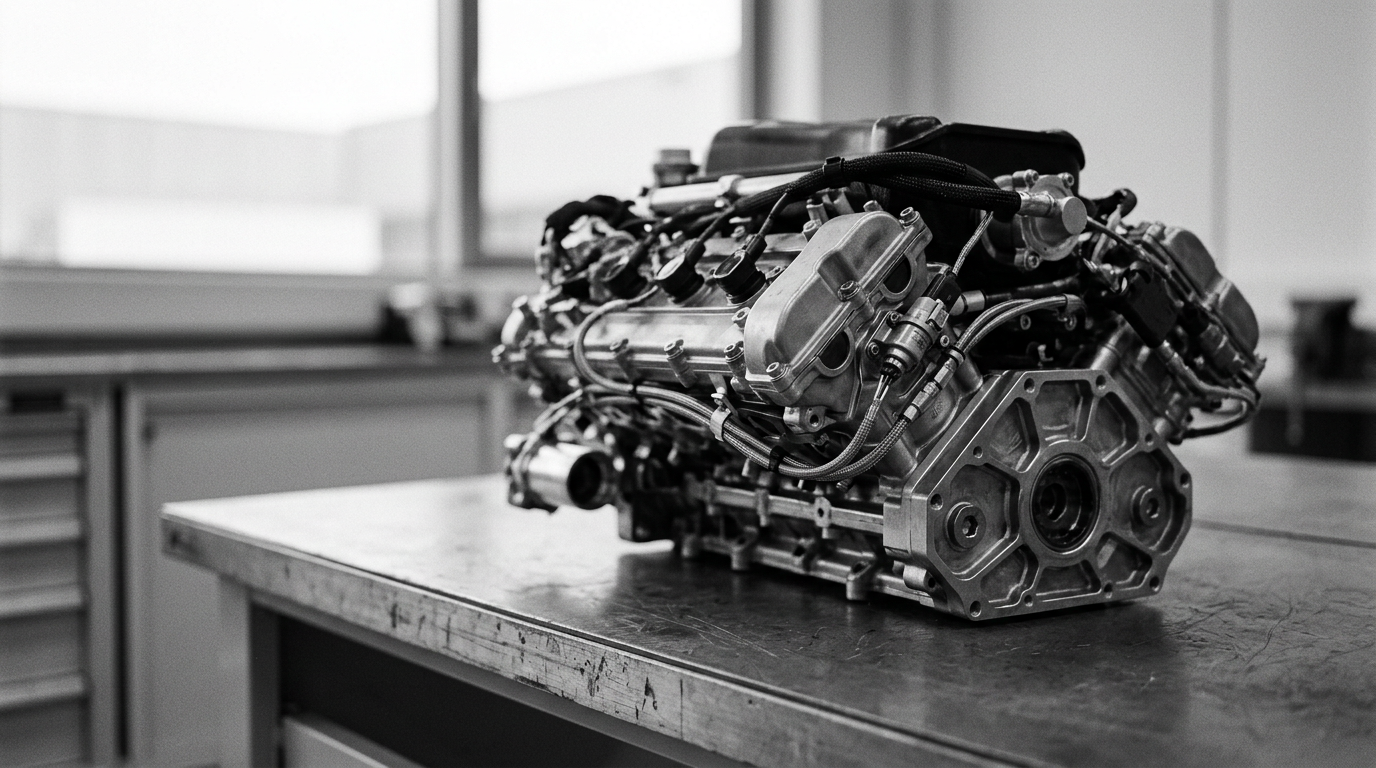
Audi has decided not to bring any further technical upgrades to its Formula 1 power unit for the rest of the 2026 season, keeping its current specification in place until a larger step planned for 2027. The team said the move is driven by the need to stay within Formula 1’s budget cap while protecting longer-term spending priorities.
The freeze comes after an earlier in-season performance adjustment that improved driveability and torque delivery. Audi’s Racing Director Allan McNish confirmed the approach, describing it as a choice to redirect resources toward more substantial hardware revisions targeted for the 2027 campaign.
Audi’s 2026 power unit plan under the budget cap McNish pointed to a recurring trade-off in modern Formula 1: money and development capacity spent on the power unit cannot also be spent elsewhere, especially with a cap limiting total expenditure. In Audi’s case, the decision is framed as an effort to manage not only immediate performance demands but also multi-season expectations.
According to the team, the focus is now to maintain stability through the remainder of 2026 while ensuring the project remains financially sustainable. The core aim is to arrive at 2027 with the funding and development runway needed for a larger technical push, rather than spreading resources across smaller power unit updates in 2026.
Chassis upgrades continue through the second half of 2026 While the power unit is set to remain unchanged, Audi plans to continue introducing chassis-related upgrades in the second half of the 2026 season. The stated intent is to preserve competitiveness in the near term while the power unit programme follows a longer development cycle.
This split approach reflects the team’s view that it can still pursue lap-time gains from the car platform even if the engine side is held steady. Audi described the strategy as a practical balance between short-term results and the investments required for its full factory entry.
Barcelona upgrade helped points run and standings position
Audi’s earlier power unit adaptation, introduced at the Barcelona Grand Prix, was described as successful in addressing earlier weaknesses, particularly around driveability. That change also improved torque delivery, which can affect how predictably the car responds under acceleration.
Following that adjustment, Audi scored points in the last three rounds with drivers Gabriel Bortoleto and Nico Hulkenberg. The team’s recent results moved it ahead of Williams in the constructors’ championship standings.
With no further power unit upgrades planned for the remainder of 2026, attention now shifts to the larger advances expected for 2027. Audi’s position is that a phased development plan is the most viable way to remain competitive across multiple seasons while operating under the sport’s financial limits.