Aspen Institute highlights Southern job-quality models in final series event
On May 7, 2026, the Aspen Institute’s Economic Opportunities Program closed its Job Quality in Practice series with a conversation featuring Job Quality Fe…
Sophie McAlister ·
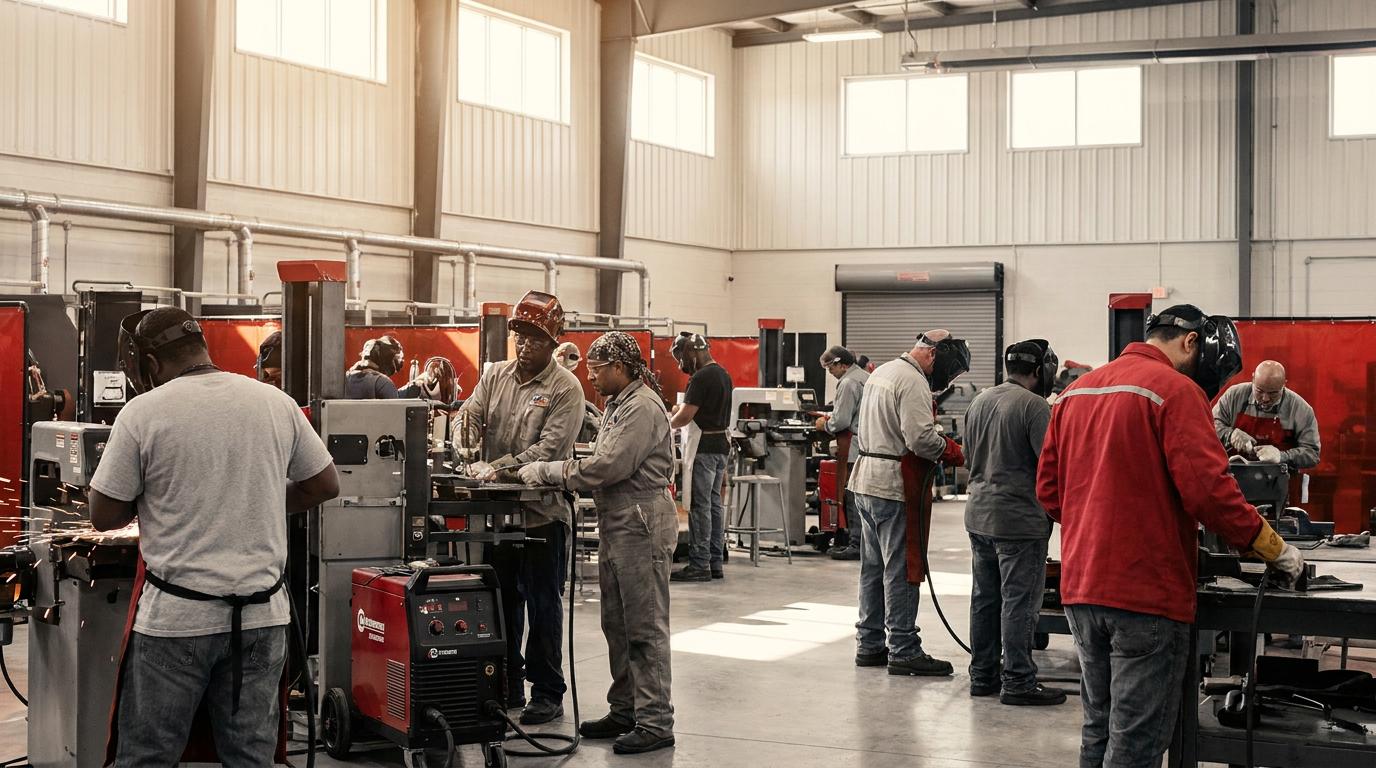
The Aspen Institute’s Economic Opportunities Program hosted the final event in its Job Quality in Practice series on May 7, 2026. The conversation brought together the program’s Job Quality Fellows to discuss practical approaches they are embedding across firms and communities in the U.S. South. The discussion focused on models and strategies intended to improve workplace pay and pathways for workers, and was organized and released by the Aspen Institute, headquartered in Washington, D.C.
Fellows outlined a range of employer- and community-level approaches that they are testing and scaling. Speakers described employee ownership models that give workers a financial stake in company performance, apprenticeship programs designed to create structured pathways into higher-wage roles, and worker advisory committees that aim to bring employee perspectives into business decision-making.
Practical models under discussion
Event participants emphasized models that combine business sustainability with direct worker benefits. Employee ownership was discussed as one route to broaden economic returns to workers, while structured apprenticeships were framed as a way to link training to credentialed career ladders. Worker advisory committees were highlighted as a governance mechanism to surface frontline concerns and inform operational choices.
The conversation served as a capstone for a series that examined how job quality can be elevated across different sectors and regional contexts. Organizers positioned the episode as a space to share early lessons from Fellows who are applying job-quality frameworks to real-world programs and employers.
Why employers and local leaders are watching
Speakers noted that these models are being adapted to local labor markets across the South, where sectors such as manufacturing, healthcare and services are central employers. The Fellows’ work aims to translate concepts about job quality into implementable practices that employers, workforce intermediaries and local policymakers can adopt.
Throughout the conversation, the Aspen Institute framed these experiments as both economic and governance strategies—efforts to increase worker pay and voice while also improving retention, recruitment and firm performance. The recording and materials for the event were made available by the Institute on its event page.
For Washington, D.C., the conversation matters because the Aspen Institute is a major local policy institution, and the practices discussed echo ongoing policy debates about workforce development and equitable economic growth. Local workforce boards, think tanks, and employers in the D.C. area may find the Fellows’ case studies relevant when designing regional initiatives or pilot programs.
Look for follow-up materials and any implementation reports from the Aspen Institute and its Job Quality Fellows. Policymakers and local employers in D.C. and the broader Mid-Atlantic region will likely monitor whether these southern models can be adapted to their own workforce challenges.