Amazon, DDOT Launch 10-Month E-Cargo Bike Pilot Across D.C. for Last-Mile Deliveries
Amazon and the District Department of Transportation have begun a 10-month pilot in Washington, D.C., deploying 15 electric cargo bicycles to replace some …
Sophie McAlister ·
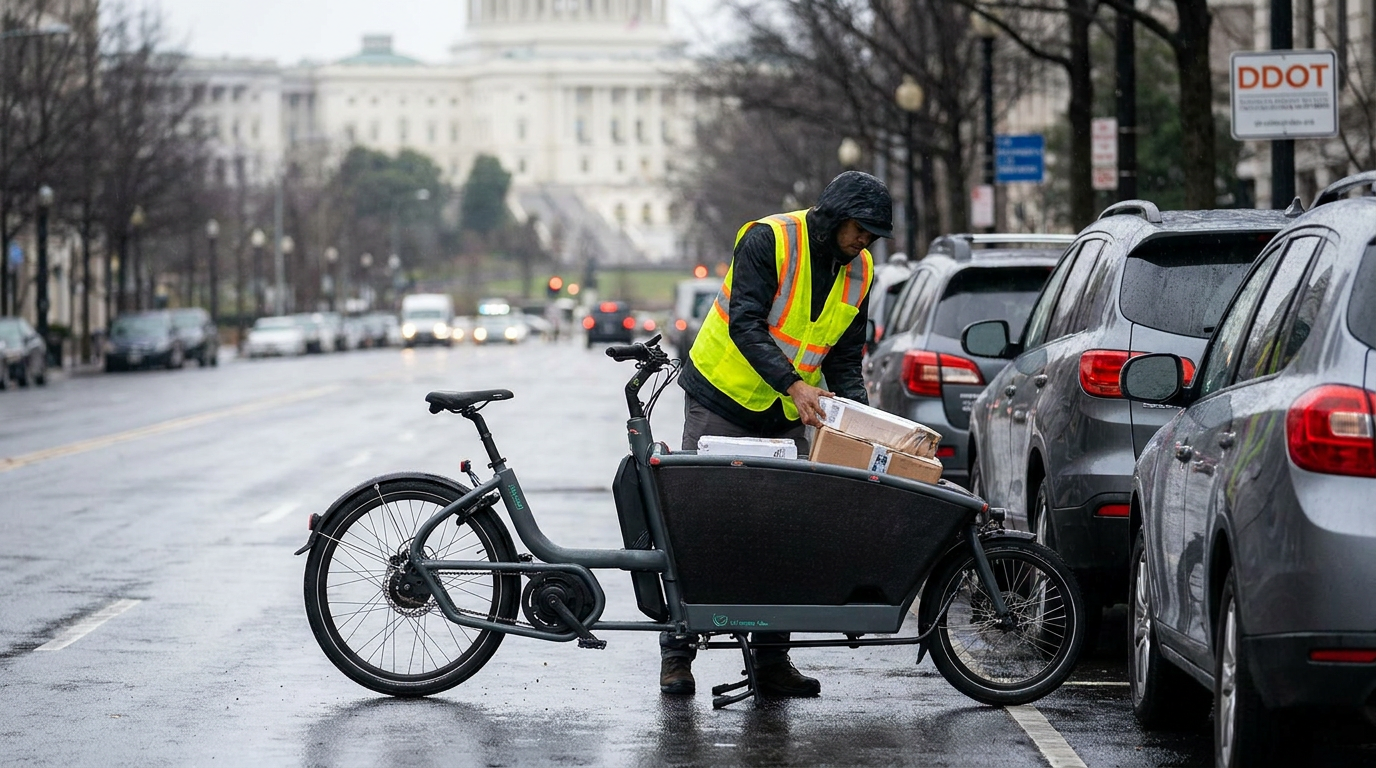
Amazon and the District Department of Transportation have begun a 10-month pilot across Washington, D.C., deploying 15 electric cargo bicycles to replace some delivery trucks for local package deliveries. The program is designed to test whether e-cargo bikes can reduce vehicle miles, emissions, and curbside pressure while maintaining delivery performance in dense neighborhoods.
The pilot, conducted in partnership with the city agency that manages D.C.'s streets and transportation policy, will route a portion of Amazon’s last-mile deliveries onto battery-assisted cargo bikes instead of small delivery vans. City officials and Amazon say the trial will gather data on safety, operational efficiency and neighborhood impacts over the life of the program.
How the pilot is structured
The initial phase puts 15 e-cargo bikes into service across the District. Riders will carry packages to neighborhood clusters where the bikes can travel on bike lanes, local streets and sidewalks-accessible areas more easily than trucks. The pilot will measure factors such as stop frequency, load size, delivery times and interactions with curbside management rules.
Amazon has run similar micromobility and cargo-bike pilots in other U.S. cities; the D.C. program is intended to test those tactics specifically on the District’s mix of dense commercial corridors, residential streets and designated bike infrastructure. The city agency will use data from the pilot when considering street-management decisions, including curb regulations and bike lane planning.
Neighborhood and environmental implications
Advocates for sustainable transportation and some neighborhood residents have pushed for reduced truck traffic and safer curbside conditions. City officials framed the pilot as an experiment to see whether shifting some deliveries to e-bikes can lower noise and tailpipe emissions in areas with heavy pedestrian and cyclist activity.
Operationally, the move could change patterns of double-parking and loading-zone use in parts of the city where curb space is limited. City planners are watching whether cargo bikes reduce the need for temporary curbside loading or simply transfer the pressure to different locations.
The pilot will also require coordination on parking, rider training and safety protocols as Amazon and the District assess how to integrate cargo-bike operations with existing street rules and neighborhood needs.
What to watch next: the partners will publish findings at the end of the 10-month period and the city will evaluate whether to encourage, expand, or regulate similar last-mile operations based on pilot results.