Algeria Eradicates Blinding Disease, WHO Confirms
Algeria has been validated by WHO for eliminating trachoma as a public health problem, following a December 2025 dossier and 2022 surveys.
Ayla Demirhan ·
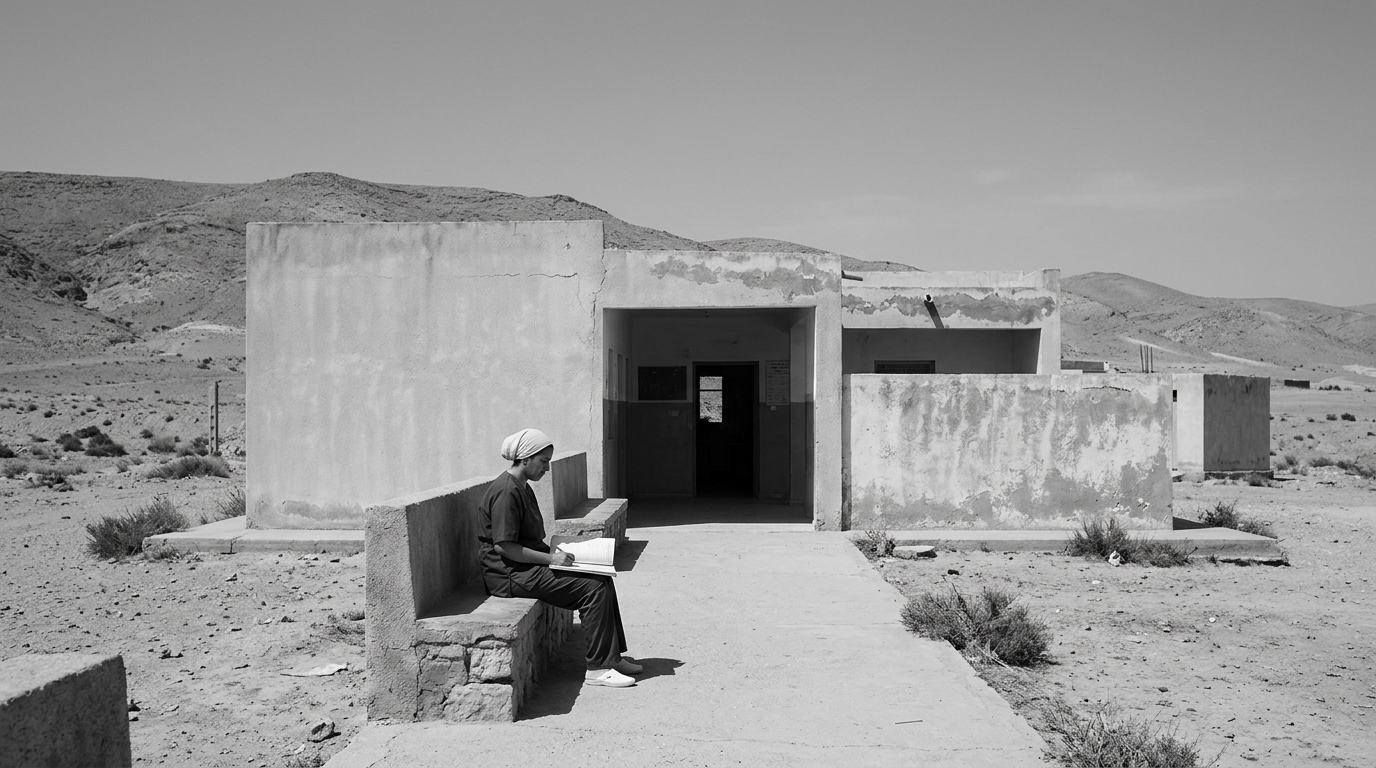
Algeria has been validated by the World Health Organization (WHO) for eliminating trachoma as a public health problem, based on evidence submitted by the country to the agency. Officials said the validation confirms that transmission and severe outcomes have been reduced below WHO-defined thresholds.
The recognition places Algeria in a limited group of countries that have met WHO’s criteria for this public health milestone. With the decision, Algeria becomes the 10th country in the WHO African Region and the 29th globally to achieve elimination of trachoma as a public health problem.
WHO validation and the remaining global burden
Trachoma is described as the leading infectious cause of blindness worldwide. The disease is estimated to affect about 1.9 million people globally, according to the figures cited in the source material.
WHO’s validation for Algeria comes as trachoma continues to pose a risk elsewhere. The disease remains endemic in 30 countries, and an estimated 97 million people are considered at risk, based on the same figures.
Algeria’s package of interventions
Officials said Algeria’s approach relied on a combination of measures rather than a single intervention. The program included surgical care for advanced cases and mass administration of antibiotics to reduce infection and interrupt transmission.
The strategy also included public awareness efforts focused on hygiene. In addition, the program emphasized improvements in access to water and sanitation, reflecting the role environmental conditions can play in sustaining transmission.
2013–2015 focus on 12 southern provinces
A three-year strategy running from 2013 to 2015 targeted 12 southern provinces where trachoma was reported to be prevalent. The aim was to concentrate resources in areas described as having higher disease burden.
Surveys conducted in 2022 found that elimination thresholds for active trachoma had been met across all assessed areas. For trachomatous trichiasis (TT), thresholds were met in all but three areas, and targeted interventions were carried out to ensure elimination in those locations as well.
Dossier submission and surveillance after validation
Algeria’s Ministry of Health submitted a dossier in December 2025 to document compliance with WHO criteria for elimination as a public health problem. Officials said WHO’s validation indicates the documentation and supporting data were sufficient for the agency to confirm the status.
WHO has recommended continued surveillance following validation. Officials noted that ongoing monitoring is still needed to detect any potential resurgence and to respond quickly if indicators suggest renewed transmission.