Labor Unions Fight to Revive Halted Offshore Wind Projects
Labor unions are challenging a federal order halting major offshore wind projects like Revolution Wind, creating uncertainty for energy and jobs.
Atlas Newsdesk ·
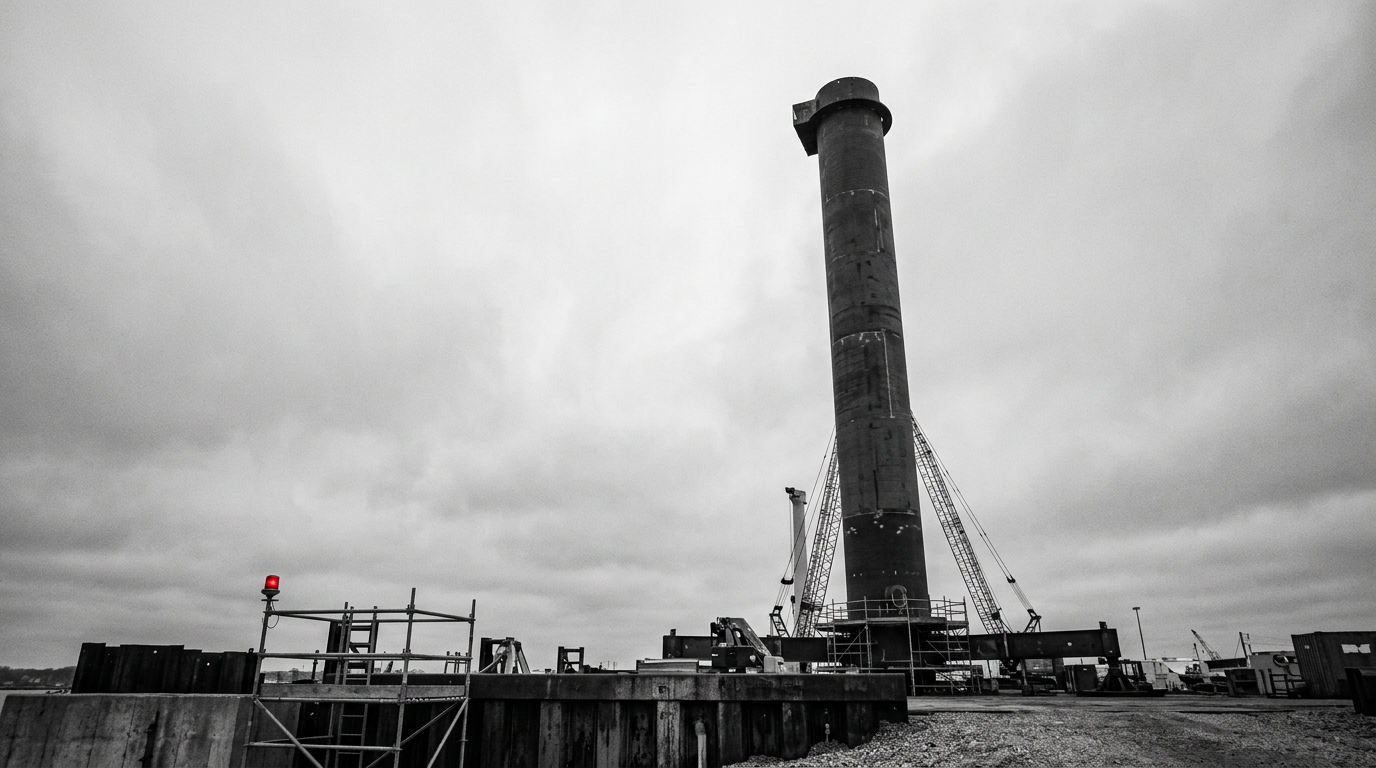
A recent federal executive order has paused construction on several significant offshore wind energy initiatives, notably including the Revolution Wind hub located off the coast of Connecticut. This directive signals a considerable shift in federal energy policy, directly influencing the labor market and the long-term prospects of renewable energy infrastructure that had previously received support under the Inflation Reduction Act.
In response, various labor organizations, such as the Climate Jobs National Resource Center, are actively preparing to challenge these administrative decisions. These groups plan to utilize established political avenues and existing project labor agreements to safeguard unionized employment within the clean energy sector. This sector has been a key area for industrial expansion since 2021, particularly following the passage of legislation aimed at boosting renewable energy.
Impact on Renewable Energy Development
The suspension introduces substantial uncertainty for both institutional investors and developers who are engaged in large-scale offshore wind asset development. The clean energy transition, a global movement aimed at reducing reliance on fossil fuels, often depends on stable policy environments and predictable regulatory frameworks to attract necessary capital and expertise.
Many state-level mandates, such as New York’s Climate Leadership and Community Protection Act, explicitly support the growth of renewable energy. The current federal intervention creates a conflict with these existing state-backed directives, introducing significant legal and operational risks for ongoing energy transition efforts. This tension between federal and state policies could complicate future energy projects across the United States.
Labor Market Concerns and Legal Challenges
The core of the labor unions' concern revolves around the potential loss of jobs and the disruption of training programs established for the offshore wind industry. Project labor agreements, often negotiated between unions and developers, ensure fair wages, benefits, and safety standards for workers. The sudden halt threatens to undermine these agreements and the economic stability they provide to thousands of skilled laborers.
Market participants should anticipate extended legal disputes as labor coalitions strive to uphold existing wage standards and project commitments. Such litigation could lead to increased volatility within the renewable energy sector, as the outcomes of these challenges will determine the pace and scale of future offshore wind developments. The broader implications extend to the reliability of government support for green initiatives, which could deter future investments in the sector.
The dispute underscores the complex interplay between federal policy, state climate goals, and organized labor interests in shaping the future of the nation's energy landscape. The resolution of these challenges will likely set precedents for how large-scale infrastructure projects are managed under shifting political administrations and how labor's role in the green economy is protected.