DC.gov posts official page for Advisory Neighborhood Commission 1B
DC.gov hosts the official page for Advisory Neighborhood Commission 1B, giving residents a central source for the commission’s public notices, meeting info…
Sophie McAlister ·
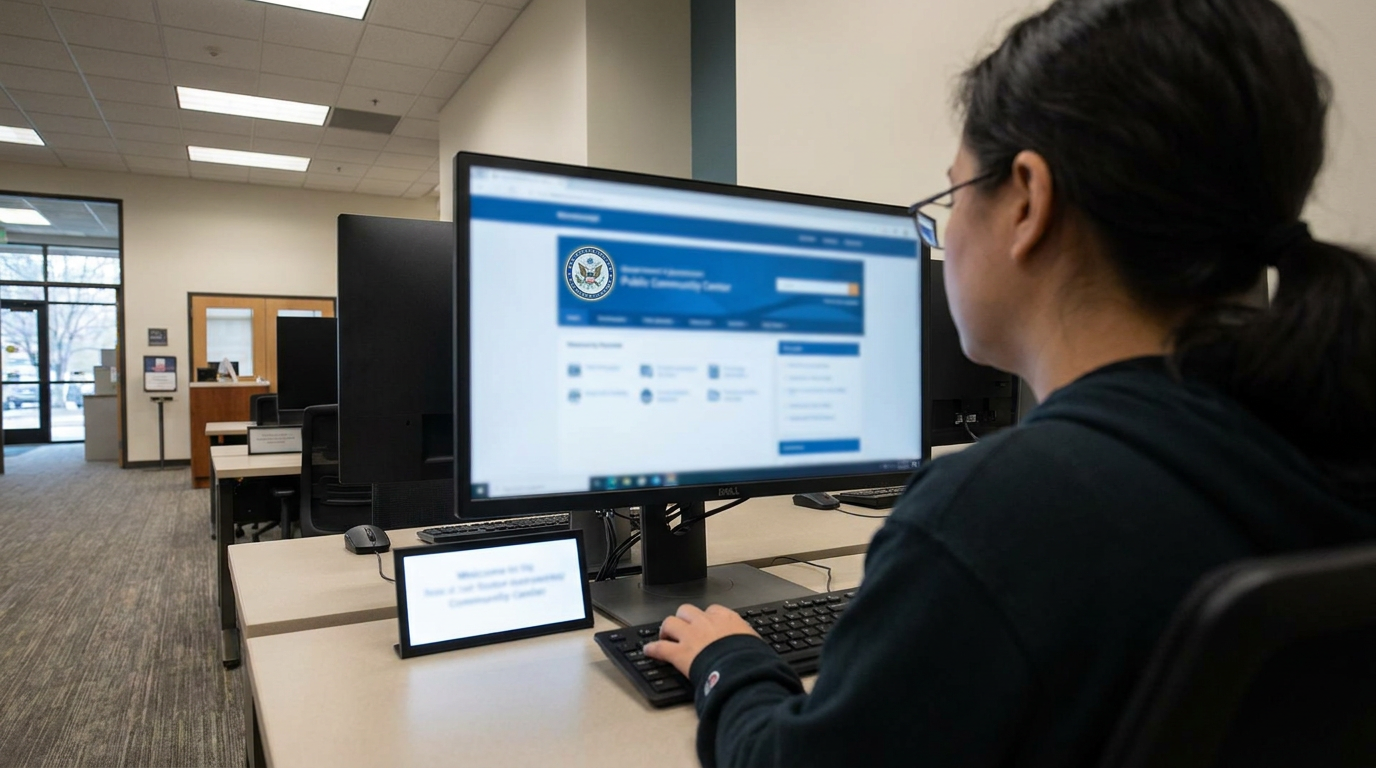
DC.gov now hosts the official page for Advisory Neighborhood Commission 1B, the city’s publicly recognized, volunteer neighborhood advisory body. The page acts as the central municipal record for the commission’s public-facing materials, including notices and contact information. The listing places basic civic information for ANC 1B on the District’s primary government website.
Advisory Neighborhood Commissions are locally elected bodies that provide neighborhood-level advice on zoning, public safety, licensing, and other issues to the Mayor, the D.C. Council, and city agencies. While ANCs do not have final legislative authority, they are a formal channel for residents to raise concerns and influence local decisions.
What the official page provides
The DC.gov page for ANC 1B gives residents a verified, municipal source for public notices and the commission’s basic contact points. For neighbors tracking local policy or development proposals, that central listing reduces the risk of relying on informal or unofficial sources. The page also signals that ANC 1B’s records and communications are part of the District’s public record.
Many residents use ANC pages to confirm meeting schedules, view agendas and minutes, and find contact details for commissioners. That information helps constituents prepare testimony for hearings, follow licensing or zoning cases, and reach commissioners about neighborhood concerns.
How this fits into neighborhood civic life
For community organizers and local advocates, an official DC.gov page is a basic but important tool. It ensures that event notices and procedural documents are discoverable from the municipality’s site rather than only on social channels or third-party platforms. That discoverability can affect turnout for meetings and the visibility of neighborhood issues when city agencies consult public input.
ANCs operate as volunteers drawn from their neighborhoods. Having an official municipal page supports transparency and can lower barriers for residents seeking to engage with local government.
Residents interested in ANC activity should use the DC.gov page as a starting point for verified information and then follow the commission’s posted procedures for submitting comments or requests.
Looking ahead, watch the DC.gov listing for updates to meeting times, agendas, or contact details, which are the primary signals that the commission has new public business or outreach.