ACP updates breast cancer screening guidance: biennial mammograms for average-risk women 50 to 74
A medical college updated breast cancer screening guidelines, recommending biennial mammograms for average-risk women aged 50-74.
Ayla Demirhan ·
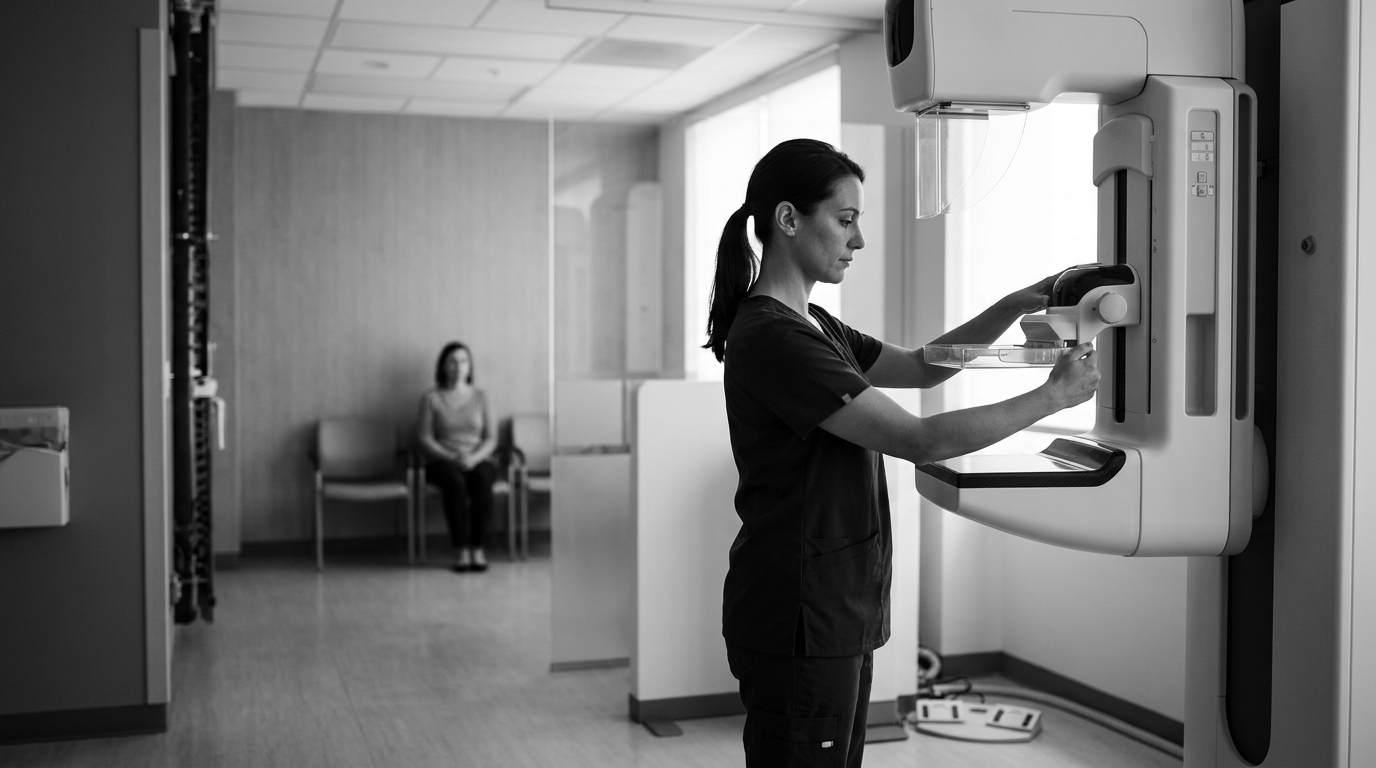
The American College of Physicians (ACP) has issued updated guidance on breast cancer screening for asymptomatic, average-risk women, recommending mammography every two years for those aged 50 to 74.
For women aged 40 to 49, the ACP advises that screening decisions should be individualized through shared decision-making, weighing personal risk factors, values and preferences, and potential harms such as false-positive results and overdiagnosis.
The guidance also suggests routine screening is not generally recommended after age 74, particularly for people with limited life expectancy, citing uncertain benefits and increased risk of additional testing.
Why the ACP favors biennial screening According to the ACP, available evidence does not show an added benefit of annual screening compared with biennial screening for average-risk women, while annual screening can lead to more false-positive recalls and biopsies, creating additional patient burden and costs.
Dense breasts and additional imaging For individuals with dense breasts, 3D mammography may be considered. However, the ACP does not routinely advise other supplemental imaging for average-risk individuals.
The updated recommendations reflect the ACP’s assessment of clinical evidence on screening effectiveness and the trade-offs between earlier detection and harms related to unnecessary follow-up testing and interventions.