Aaron Rodgers doubts preseason value for quarterbacks
Aaron Rodgers said Tuesday he is unconvinced NFL preseason games offer real competitive value for established quarterbacks as teams limit exposure.
Mehmet Şahinoğlu ·
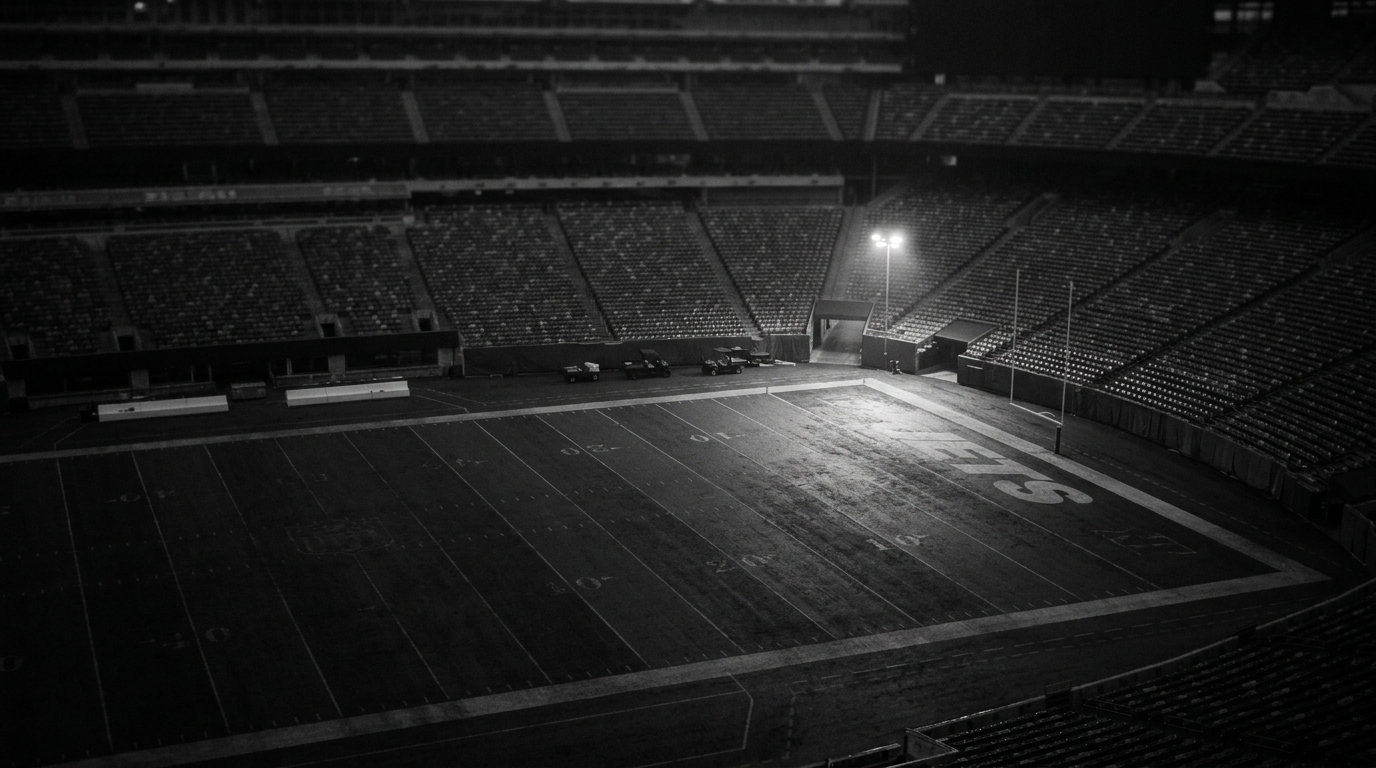
New York Jets quarterback Aaron Rodgers said Tuesday he is not persuaded that NFL preseason games deliver meaningful competitive value for established quarterbacks. His comments land in a wider conversation among coaching staffs about how much elite starters should appear in exhibition contests as teams balance preparation with risk.
Rodgers argued that preseason football does not closely resemble the regular season in the areas that matter most for veteran passers. He said teams deliberately avoid showing their true approach, which he described as a core reason the games can feel disconnected from real competitive conditions.
Rodgers says teams keep strategies under wraps in August Rodgers said clubs keep their playbooks limited in Rodgers said clubs keep their playbooks limited in exhibition settings to prevent opponents from learning strategic schemes. In his view, that built-in restraint reduces how much a seasoned quarterback can gain from game snaps that are not paired with the fuller tactical picture teams plan to use when results count. He extended the same critique to joint practices, which have become a common element of preseason preparation. Rodgers described those sessions as increasingly ineffective, saying they lack competitive transparency. He also warned that joint practices can slide away from purposeful work and turn into physical altercations. Rodgers said those moments do not translate into better preparation, lowering the practical return teams get from time on the field compared with what they are trying to accomplish before Week 1.
Injury prevention drives playing-time decisions
New York Jets
Across the league, the underlying force shaping preseason usage has been an emphasis on injury prevention. Officials and teams have signaled through their approach that limiting exposure to high-impact injuries includes keeping key starters out of exhibition games. That caution can come with a trade-off. When top personnel do not play, the gap can widen between training camp intensity and true game-day conditions, even as teams seek ways to maintain sharpness ahead of the regular season. Teams often respond by leaning more on internal scrimmages to simulate competition when starters are held out. However, those controlled settings may not recreate the complexities of regular-season defensive alignments and game situations, leaving questions about how closely practice conditions match what will show up in September. The 2024 preseason focus: evaluation and health This direction is expected to continue through the 2024 preseason, with teams prioritizing roster evaluation while protecting their most valuable players. The outcome, as described by the broader planning approach, is a preseason designed less as a full tactical rehearsal and more as a managed environment focused on assessment and availability.
Rodgers framed the readiness calculation as different depending on a player’s role and experience. He said preseason games can help staffs evaluate lesser-known players under game-like conditions, while offering limited upside for established quarterbacks trying to sharpen tactical readiness.
In Rodgers’ view, simplified playbooks combined with an injury-avoidance mindset can make practices feel more intense and realistic than the games themselves. His remarks underscore a gap between traditional expectations for August football and what veteran players and teams now view as the most useful preparation before Week 1.