Japan Warns Tourists on 'Butsukari' Incidents
Japan has issued a tourist warning about "butsukari" (intentional bumping) after a viral video, highlighting societal stress and tourism impact.
Ayla Demirhan ·
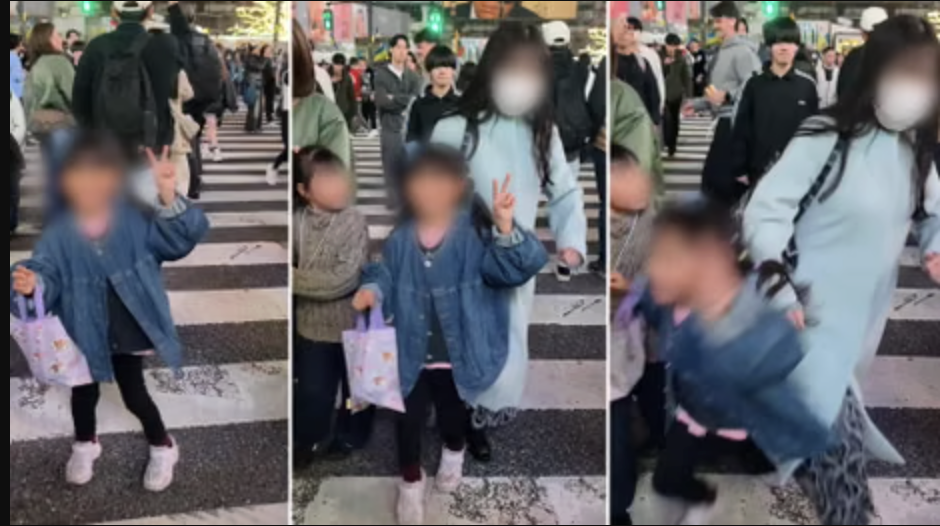
Japanese authorities have issued a public advisory to tourists regarding a phenomenon known as "butsukari," or intentional bumping, following a recent incident in Tokyo. The warning comes after a video circulated widely online, showing a young girl being deliberately pushed at the Shibuya crossing on February 25. This event has intensified public discussion about these types of assaults.
The incident, recorded by the girl's mother, garnered over one million views on Instagram, drawing significant attention to the issue. This form of intentional physical contact has been a subject of concern in Japan for several years, with previous high-profile cases highlighting its prevalence.
Societal Pressures and Public Awareness
The "butsukari" phenomenon first gained widespread public recognition in 2018, when a video depicting a man intentionally bumping into women at Shinjuku station went viral. More recently, in May, an associate professor aged 59 was apprehended in Fukuoka for assaulting multiple individuals with his bag. This individual faces potential penalties including a two-year prison sentence or a fine of ¥300,000 (approximately $1,895 USD).
Sociological analysis suggests these incidents are indicative of broader societal pressures and frustrations within Japan. Experts, such as Professor Kiryu Masayuki, propose that these acts may serve as a low-risk expression of discontent, particularly among certain demographics.
Impact of Tourism and Public Safety
A 2024 survey involving 21,000 participants revealed that 14% had experienced "butsukari," while 6% had witnessed such an event. The recent surge in international tourism to Japan has also been identified as a contributing factor to increased friction in crowded public spaces. Large numbers of visitors often pause for photographs in busy areas, which can exacerbate congestion and local frustrations.
In response to the Shibuya incident and the broader concern, the Chinese embassy in Tokyo advised its citizens to maintain personal space in crowded environments and to avoid using smartphones while walking. This guidance underscores the growing international awareness and concern regarding public conduct in Japan's bustling urban centers.
Official Response and Future Outlook
The official warning from Japanese authorities aims to inform visitors about local social dynamics and potential risks in densely populated areas. This proactive measure seeks to enhance public safety and mitigate misunderstandings between residents and tourists. The ongoing discussion surrounding "butsukari" reflects a complex interplay of societal stress, evolving social norms, and the challenges of managing high pedestrian traffic in major cities.
Further public awareness campaigns and potential policy responses may be considered to address the root causes of this phenomenon and ensure a safer environment for both residents and international visitors. The focus remains on promoting respectful conduct and managing urban congestion effectively.
Implications
Country Impact: Japan's image as a safe tourist destination could be affected, potentially leading to increased public safety initiatives and advisories for visitors. The incidents highlight underlying societal tensions.
Industry Impact: The tourism sector may face challenges if perceptions of safety decline, potentially impacting visitor numbers. Tour operators and travel agencies might need to incorporate safety briefings into their itineraries.
Market Impact: While direct market impact is limited, any sustained negative perception of public safety could subtly influence tourism-related stocks or local businesses reliant on foot traffic in major cities.