Shift in U.S. Higher Education Admissions Requirements
Over 90% of U.S. colleges no longer require standardized entrance exams, marking a major shift in higher education admissions policies today.
Atlas Newsdesk ·
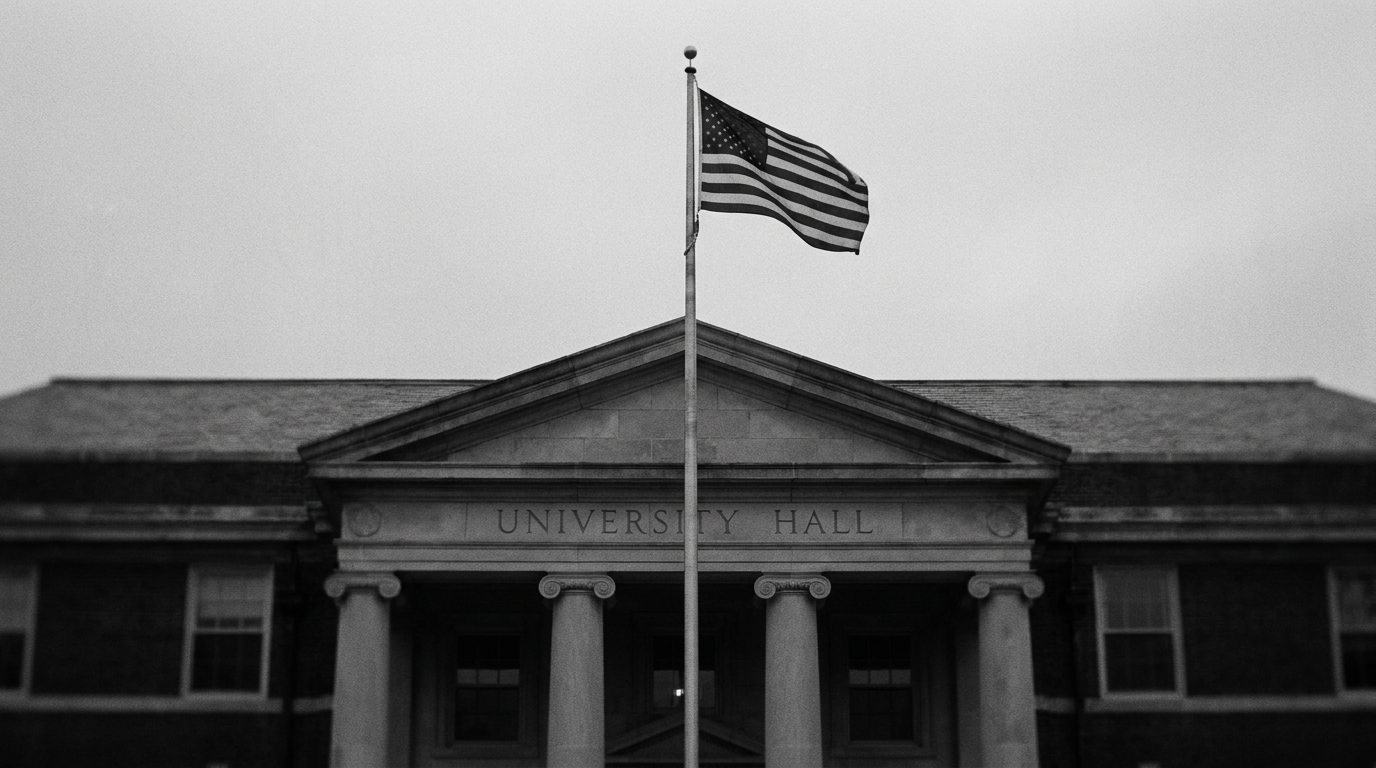
Standardized entrance examinations, specifically the SAT, have transitioned from a primary admissions requirement to an optional component for the majority of U.S. higher education institutions. Currently, less than 10 percent of bachelor’s degree-granting institutions mandate these scores for the 2026 admissions cycle. This decline follows a broader trend of institutions moving away from standardized testing, a shift accelerated by the COVID-19 pandemic.
While approximately two million students continue to take the exam annually, the institutional utility of the test remains under scrutiny. Critics and academic experts cite ongoing debates regarding the test's efficacy as a predictor of college success and its role in social stratification. These concerns have prompted a reevaluation of meritocratic admissions processes.
Historically, the adoption of standardized testing facilitated geographic recruitment and the expansion of the student population, which grew from 1 percent of the relevant age cohort in 1900 to approximately 26 percent by 2026. The future role of these exams remains uncertain as universities weigh the benefits of standardized data against the push for more inclusive admissions criteria.