Voters Head to Polls for High-Stakes Primary Run-offs
Voters in South Carolina, Georgia, and Oklahoma participated in primary run-offs and special elections today, setting the stage for crucial November midterm contests.
Atlas Newsdesk ·
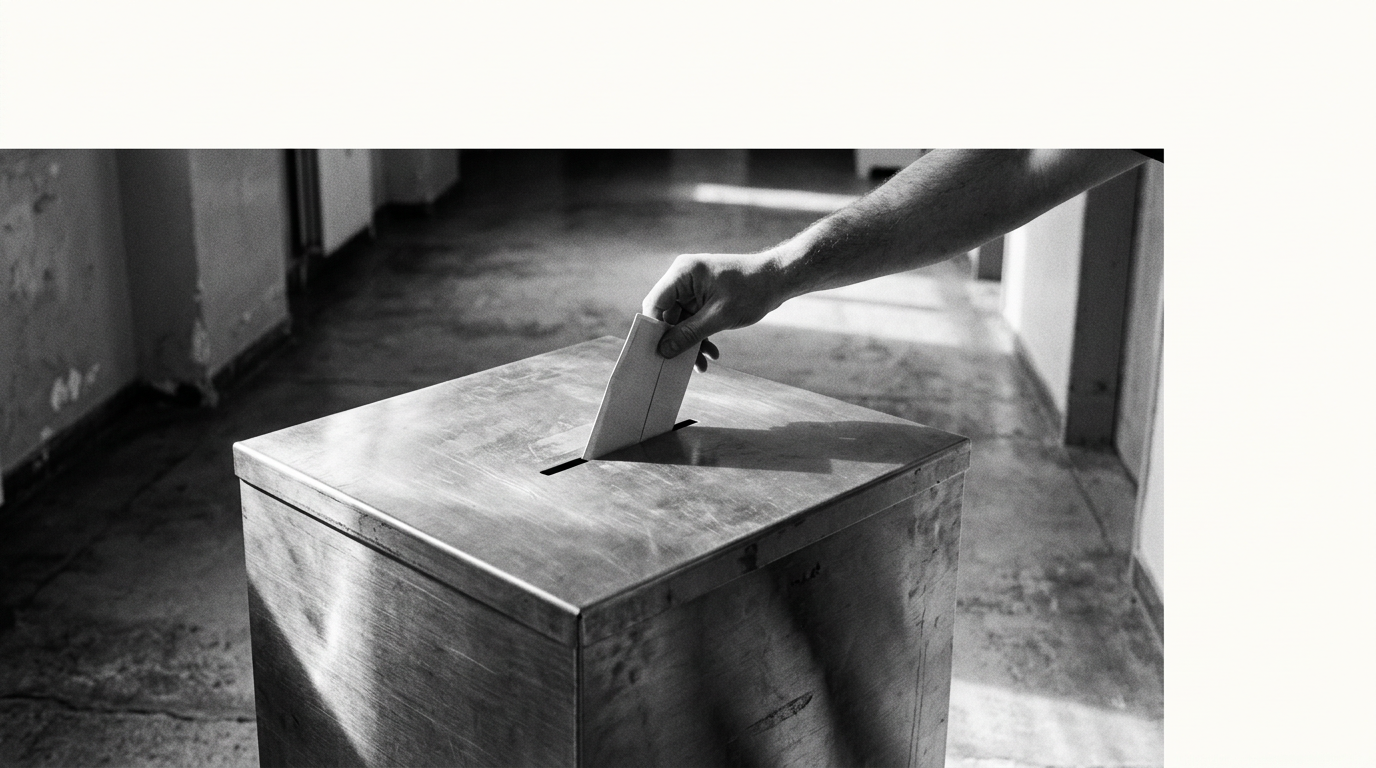
Citizens in South Carolina, Georgia, and Oklahoma went to the polls on Tuesday to participate in primary run-off elections and special contests. These votes are pivotal in determining the final slate of candidates for the November midterm cycle, with outcomes shaping the composition of the U.S. Congress and state-level leadership. Both major parties are actively working to secure or maintain narrow majorities, making each race critical in the broader political landscape.
In South Carolina, Republican voters had the task of selecting a nominee for a United States Senate seat. This position became open following the passing of the late Senator Lindsey Graham.
The incumbent Senator Darline Graham, currently holding the seat, was challenged by Representative Ralph Norman in a run-off. This second round of voting was necessary because neither candidate achieved an outright majority in the August 11 primary.
The victor of this contest will proceed to face Democratic nominee Annie Andrews in the general election.
Key Contests Across States
Oklahoma voters faced a busy ballot, making decisions on nominations for both gubernatorial and U.S. Senate positions. Additionally, residents considered two statewide ballot measures. The Republican gubernatorial run-off, featuring Attorney General Gentner Drummond and former state Senator Mike Mazzei, garnered substantial financial investment. Reports indicate that candidates collectively spent over $21 million on their campaigns, highlighting the intensity of this particular race.
Meanwhile, Georgia's 13th Congressional District held a special election to fill a vacancy in the U.S. House of Representatives. Such contests carry notable implications for the chamber's delicate partisan balance. With the House majority often decided by a handful of seats, every race, including special elections, can influence the legislative agenda and control of committees.
Significance for November Midterms
These primary run-offs are serving as a final test for candidate viability and voter enthusiasm leading into the November general elections. They provide a critical opportunity for parties to coalesce behind their chosen nominees and for candidates to refine their campaign strategies. Historically, run-off elections can indicate potential trends or shifts in voter sentiment, offering early insights into the challenges and opportunities facing candidates in the broader midterm landscape.
The outcomes will directly influence legislative dynamics at both federal and state levels. Control of Congress impacts policy areas from economic regulation to social issues. At the state level, gubernatorial races and legislative contests shape local governance, budgetary decisions, and state-specific laws. Polling locations across South Carolina, Georgia, and Oklahoma commenced operations at 7:00 a.m. local time, with closing times varying by specific jurisdiction.