India's Green Mission Falls Short of Reforestation Goals
India's Green India Mission achieved only 2.43% of its 2014 reforestation target, sparking concerns over forest definition and land diversion.
Lauren Collins ·
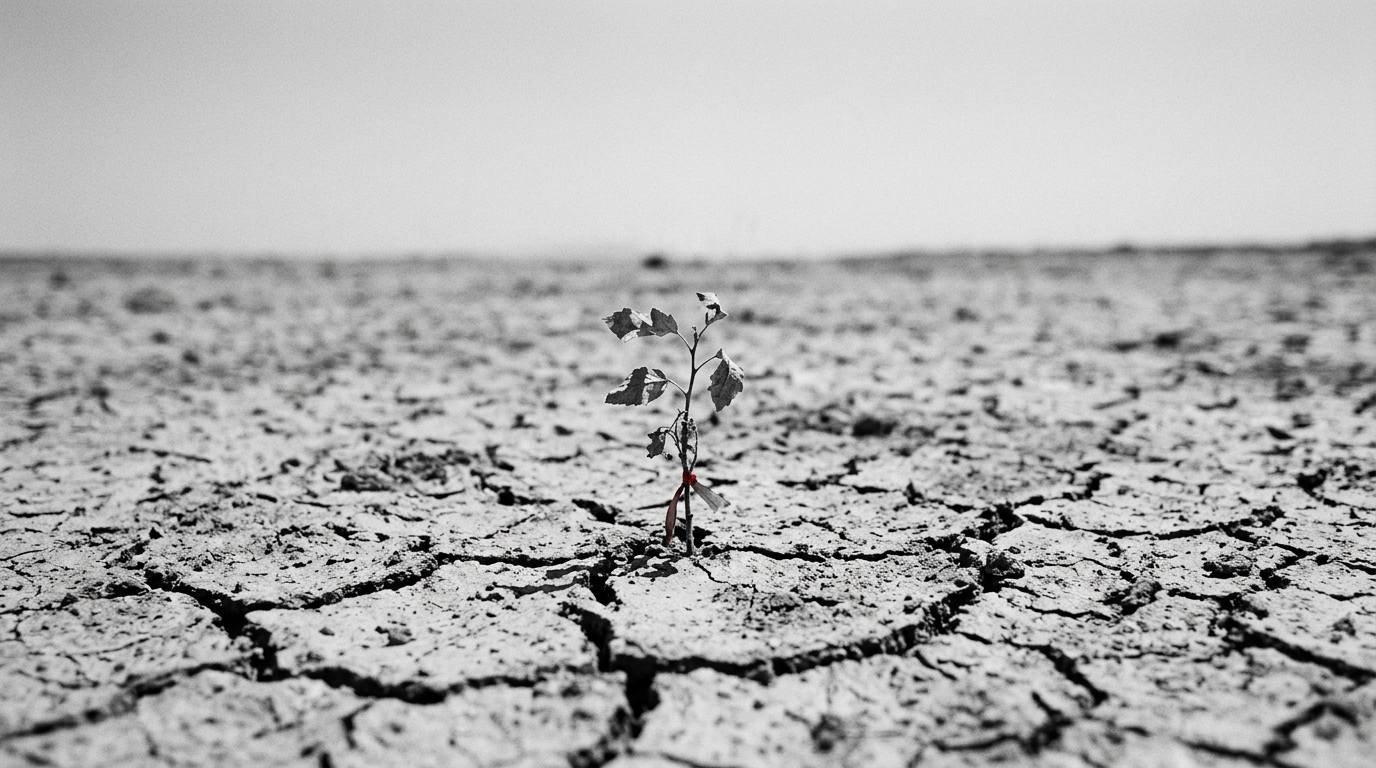
India's ambitious Green India Mission significantly underperformed its forest expansion targets established for 2014, according to a recent government audit. The initiative met only 2.43 percent of its intended reforestation, representing a substantial shortfall of 97.57 percent. This outcome has raised alarms regarding India's environmental resilience, particularly as global temperatures continue to climb and their potential effects become more evident across the globe.
A key factor contributing to the disparity between official statements and the audit's findings is an evolving definition of what constitutes 'forest cover'. Current government methodology now includes areas such as orchards, coconut plantations, and rubber estates within its forest data. Critics contend that this practice may obscure the genuine decline of natural ecosystems, even as official reports suggest a general increase in green areas nationwide.
Defining Forest Cover Amidst Scrutiny
Independent assessments offer an alternative viewpoint, indicating that while the broader governmental definition reflects an increase in 'forest cover', the actual extent of dense, natural forests has either remained stable or diminished. This shift in definition is crucial for accurately evaluating the true condition of India's natural ecological health and its capacity to mitigate the impacts of climate change effectively. The debate over how forest land is categorized directly affects how the nation's environmental progress is measured and understood globally.
Concurrently with the unmet reforestation goals, there has been an acceleration in the allocation of forest land for various industrial development projects. Over the past five years, an area roughly equivalent to the size of Hong Kong has been redirected for purposes such as mining operations, road construction, and irrigation schemes. This trend underscores a potential conflict between India's developmental aspirations and its commitments to environmental preservation.
Industrial Development and Environmental Impact
Madhya Pradesh has emerged as the most impacted state, accounting for nearly 25 percent of all national forest land diversions recorded since 2021. This significant reallocation within a single region highlights the scale of land-use changes occurring across the country. The policy of compensatory afforestation, designed to offset industrial clearing by planting trees elsewhere, is also under intense scrutiny from environmental scientists and conservationists.
Experts caution that merely increasing total 'green cover' through monoculture plantations, without adequate consideration for biodiversity and overall ecosystem health, may not effectively address climate-driven risks. These risks include potential disruptions to crucial monsoon patterns and accelerated soil degradation, which could have long-term consequences for agricultural productivity and water security. Despite these criticisms, government officials maintain that their current reporting standards align with international definitions and practices for forest inventory and classification.
The ongoing discussion surrounding the definition of forest cover and the continued diversion of forested land for industrial development signals a persistent tension between India's economic growth ambitions and its environmental protection commitments. Should the current trend of expanding 'forest cover' predominantly through plantations continue, potentially at the expense of natural ecosystems, India could face heightened risks from climate change impacts, including unpredictable monsoons and severe soil erosion. Conversely, increased public and scientific oversight might lead to a re-evaluation of reporting standards and a reduction in forest land diversion, which could enhance the nation's biodiversity and climate resilience, ultimately contributing to long-term economic stability.