Tanker Strike in Hormuz Strait Raises Shipping Concerns
A tanker was hit by an unknown projectile in the Strait of Hormuz this week, triggering a fire that has since been extinguished, increasing risk for global oil routes.
Mateo Fernandez ·
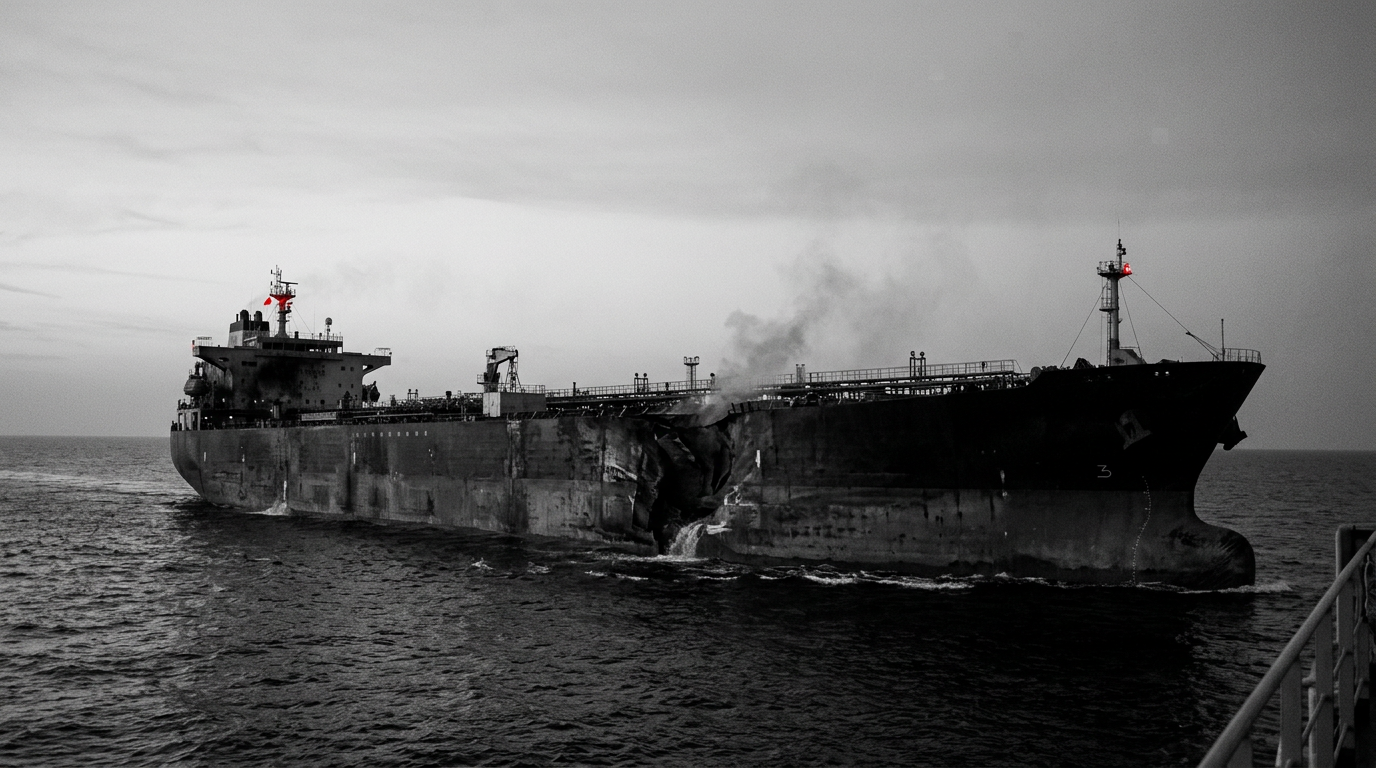
A maritime security agency from Britain reported early Thursday that an unidentified tanker was struck by an unknown projectile in the Strait of Hormuz. The incident resulted in a fire aboard the vessel, which authorities confirmed was later brought under control. Details regarding the tanker, including its flag, ownership, cargo, or destination, were not immediately released.
Increased Scrutiny on Key Oil Transit Route
Real GDP Growth2.1%USA 2026 — IMF (↑ prev: 2.0%)Inflation (CPI)2.4%USA 2026 — IMF (↓ prev: 2.7%)Unemployment Rate4.1%USA 2026 — IMF (↓ prev: 4.2%) The Strait of Hormuz is a critical waterway for the global transport of crude oil and fuel, connecting the Persian Gulf with the open sea. The lack of specific vessel information could impact crude markets, as the incident introduces new uncertainty for a route vital to international energy supplies. The strike follows several months of heightened pressure on shipping activities through the strait. Officials indicated that the projectile strike occurred after a period of escalating tensions in the region, including reported attacks by the United States and Israel on Iran in late February. Some reports suggest that Iran has effectively restricted movement through the waterway since these incidents; however, this claim remains unconfirmed by multiple sources. Potential Market Reactions and Shipping Risks For commodity markets, the immediate impact typically manifests in freight and insurance costs rather than direct supply losses. If ship owners and insurers perceive this incident as an elevated transit risk, there could be a tightening in tanker availability. This would likely lead to an increase in voyage costs, potentially before any physical disruption to oil supplies becomes apparent.
Should maritime traffic continue under current advisories, the broader economic effect might be limited to a risk premium embedded in prices for crude oil and refined products. However, if warnings are expanded or additional vessels are targeted, the surge in transportation costs could directly influence import prices. Such developments would also put pressure on the operator of the affected tanker and escalate operational risks for all shipping companies traversing the Gulf region.
Traders and shippers are closely monitoring the situation. A dated forward call for Thursday, August 27, indicates that market participants are awaiting an updated maritime advisory, definitive vessel identification, and any statements from regional authorities before the full trading session assesses the financial implications of the incident.