Russian Drones Strike Kyiv Region for Second Consecutive Day
Ukrainian officials confirm Russian drone attacks for a second day in the Kyiv region, causing damage to homes, warehouses, and infrastructure, with casualties reported.
Mateo Fernandez ·
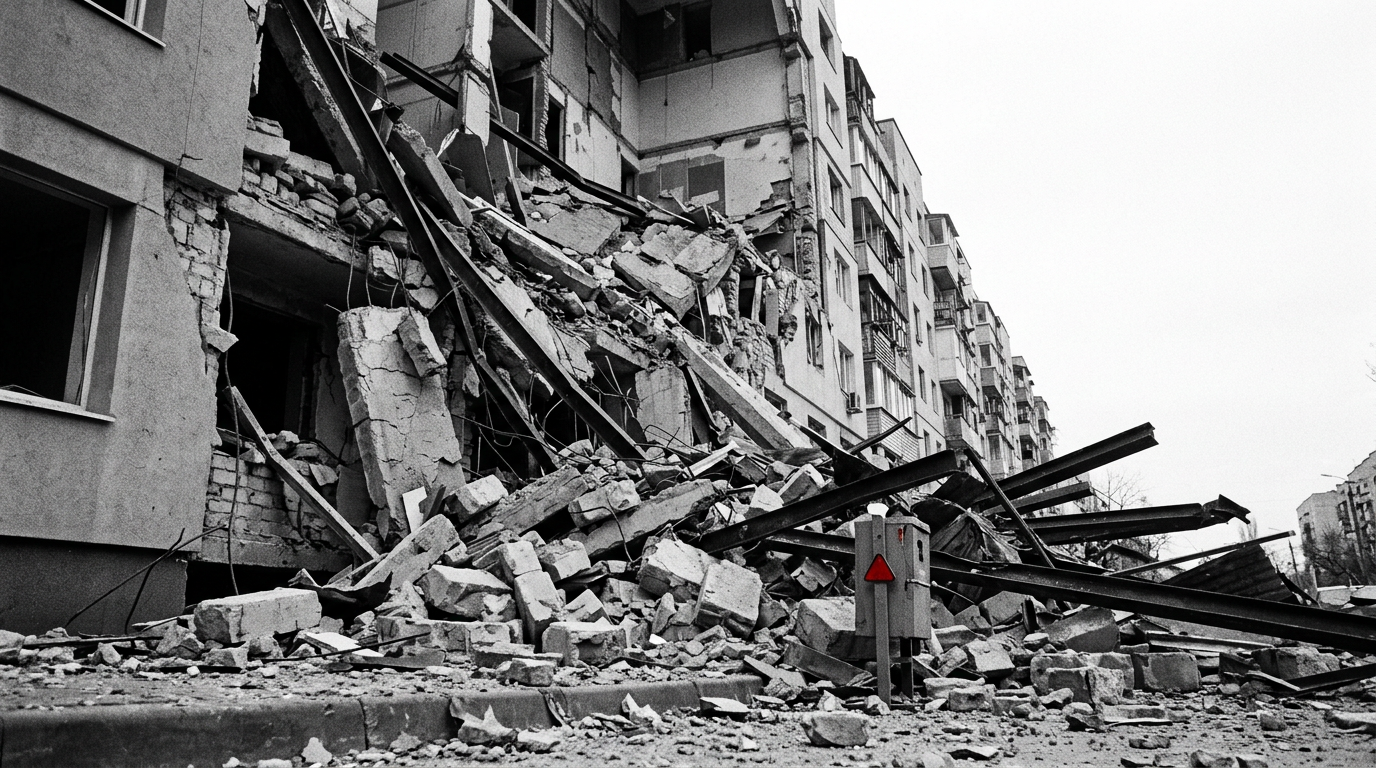
Russian forces launched drone attacks on Ukraine's Kyiv region for a second consecutive day, according to Ukrainian officials. These strikes resulted in damage to residential buildings, storage facilities, and critical infrastructure. Casualties have been reported amid ongoing air-raid alerts across the capital city.
The persistent aerial assaults underscore the sustained political and security risks centered on Ukraine's largest urban center. While no immediate market shifts were noted following these particular incidents, attacks targeting Kyiv frequently contribute to geopolitical risk assessments, particularly when they suggest a broader escalation or extended disruption.
Sustained Assaults on Infrastructure
The recent drone incursions followed a similar attack on the region just one day prior, emphasizing a troubling pattern beyond the immediate physical destruction. Consecutive strikes on the capital region can significantly strain existing air defense systems, emergency services, and civilian infrastructure, even when non-military targets are primarily hit.
For Ukraine, the impact directly affects the state and municipal infrastructure network, encompassing utilities, storage depots, housing, and transportation links essential for Kyiv's daily operations. Initial assessments will focus on the extent of disruption; localized damage is expected to have limited broader impact, but repeated hits on vital warehouses or utility assets could lead to escalating repair costs and widespread logistical delays.
Broader Economic and Strategic Repercussions
The economic implications of such sustained attacks extend across various sectors, including defense, energy security, and insurance. Continued drone strikes are likely to maintain a high demand for air defense systems and essential repair materials. Furthermore, insurance providers and logistics companies may need to re-evaluate their risk exposure, especially concerning routes connected to Kyiv.
The coming days will be crucial in determining the trajectory of these events. Ukrainian officials' reports of continued nightly alerts or a pause in attacks by August 29, 2026, will be a key indicator. Should the assaults persist, they are anticipated to elevate geopolitical risk across Europe's eastern flank. Conversely, an easing of attacks would shift focus back to damage assessment, repair efforts, and the verification of casualties.
The deliberate targeting of civilian and logistical infrastructure highlights a strategy aimed at degrading Ukraine's operational capacity and resilience. International observers continue to monitor the situation closely, noting the potential for broader implications on regional stability and global supply chains.
Future Outlook and Risk Assessment
The resilience of Kyiv's infrastructure and the effectiveness of Ukrainian air defenses remain central to mitigating the long-term impact of these attacks. The international community's response, including the provision of further defensive aid, will also play a significant role in shaping the conflict's future course.
As the conflict endures, the frequency and precision of these drone attacks against urban centers like Kyiv serve as a barometer for the evolving nature of the hostilities. The ability to defend against these aerial threats directly influences civilian morale, economic stability, and the overall strategic balance.