APA to Integrate Neurobiological Data in DSM Updates
The American Psychiatric Association plans to incorporate neurobiological data into its diagnostic manual, aiming to enhance scientific rigor despite current biomarker limitations.
Atlas Newsdesk ·
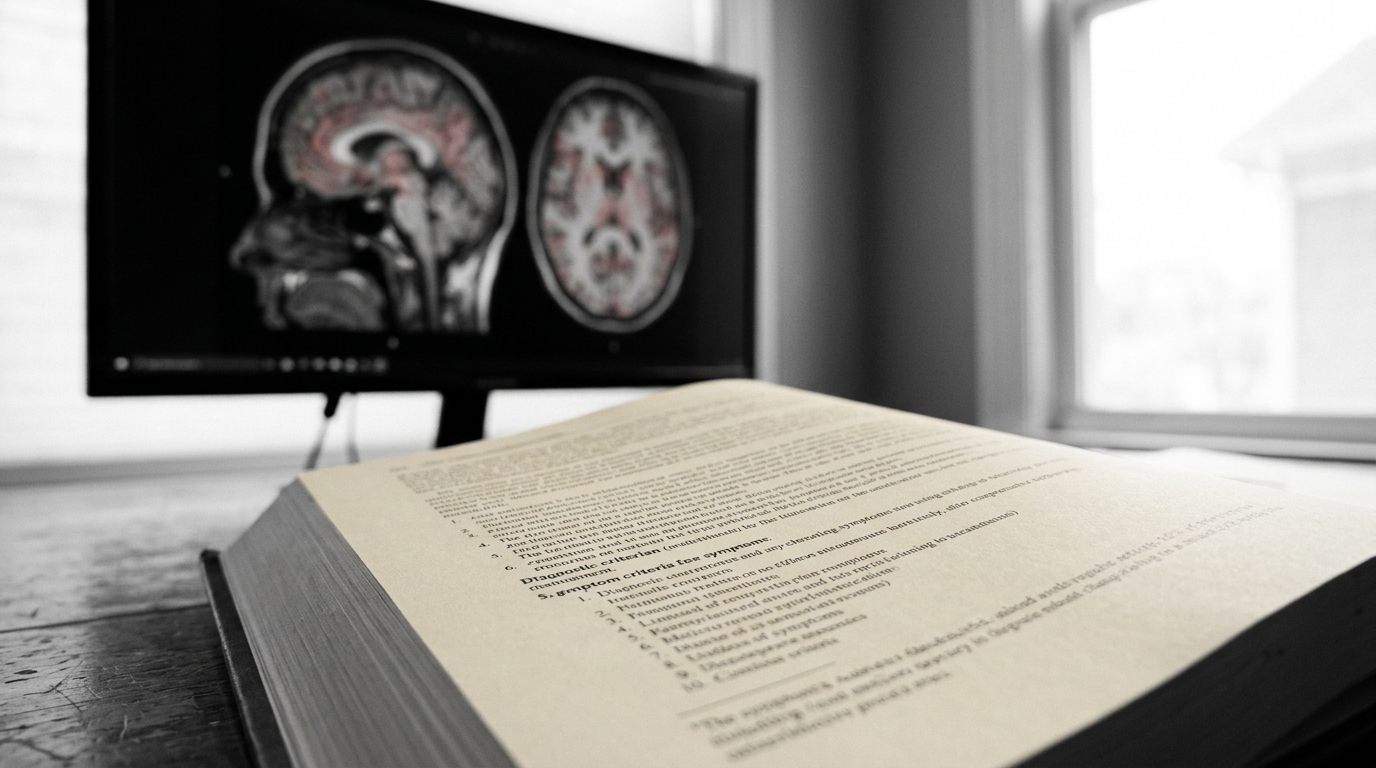
The American Psychiatric Association (APA) is moving to integrate neurobiological data into the upcoming version of its Diagnostic and Statistical Manual of Mental Disorders (DSM). This update seeks to address long-standing criticisms regarding the manual's traditional reliance on observed behavioral patterns, rather than objective biological indicators, for classifying mental health conditions.
While the primary is to bolster the scientific accuracy of mental health diagnoses through neurobiology, the field currently faces a significant challenge. A general scarcity of validated biomarkers exists for most psychiatric disorders. Researchers frequently note that mental illnesses often appear as overlapping behavioral syndromes, rather than distinct biological entities, making the development of standardized diagnostic tests based solely on biological markers exceptionally difficult.
Challenges in Neurobiological Integration
The transition toward a more biologically-driven diagnostic framework is fraught with complexities. Current psychiatric conditions are typically diagnosed using a combination of reported symptoms, direct clinical observation, and a patient's personal history. While this approach offers valuable insights into individual experiences, it has drawn criticism for its subjective nature and potential for variability in diagnoses.
Despite these inherent difficulties, recent scientific advancements present a potential path forward. Progress in identifying immune factors and protein-based biomarkers, particularly those associated with neurodegenerative conditions, is setting a precedent for future diagnostic criteria. These developments provide a conceptual model for how similar biological markers might eventually be identified and verified for other mental disorders.
Future of Diagnostic Precision
The incorporation of biological validation aims to significantly improve the precision and reliability of diagnoses for mental disorders. A more objective, data-driven approach could lead to more accurate classifications, potentially influencing treatment pathways and patient outcomes. This shift is consistent with a broader trend in medicine towards personalized and precision-based interventions.
However, experts caution that even with an increased emphasis on neurobiological data, environmental and psychosocial factors will remain crucial components of a thorough psychiatric assessment. Mental health is profoundly shaped by a complex interplay of biological predispositions, psychological experiences, and social circumstances. Consequently, a holistic approach that balances both biological and contextual factors is expected to continue guiding clinical practice.
The APA's initiative reflects an ongoing commitment to evolving psychiatric diagnostics in alignment with contemporary scientific understanding. This endeavor pushes towards a future where objective measurements can complement clinical judgment in understanding the complex nature of mental health conditions, ultimately aiming for more robust and reliable diagnostic tools.
Historical Context of DSM Evolution
The DSM has undergone several revisions since its first publication in 1952, with each edition reflecting the prevailing scientific and clinical understanding of mental health. Early versions were heavily influenced by psychodynamic theories, while later editions, particularly DSM-III in 1980, moved towards an atheoretical, descriptive approach focused on observable symptoms. This shift aimed to increase diagnostic reliability, though it also led to critiques about the manual's lack of etiological understanding.
The current move to integrate neurobiological data represents another significant paradigm shift, acknowledging the growing understanding of brain function and genetic contributions to mental illness. This integration is seen as an attempt to bridge the gap between psychiatry and other medical specialties that increasingly rely on biological markers for disease classification and treatment planning. The challenge remains in translating complex neuroscientific findings into practical, validated diagnostic tools that can be consistently applied in clinical settings.