Portable Computer brings Perplexity AI to Nvidia desktops
Perplexity AI launched Portable Computer, an on-device agent for Nvidia DGX Spark desktops using 27B-parameter models and prompt compaction.
Atlas Newsdesk ·
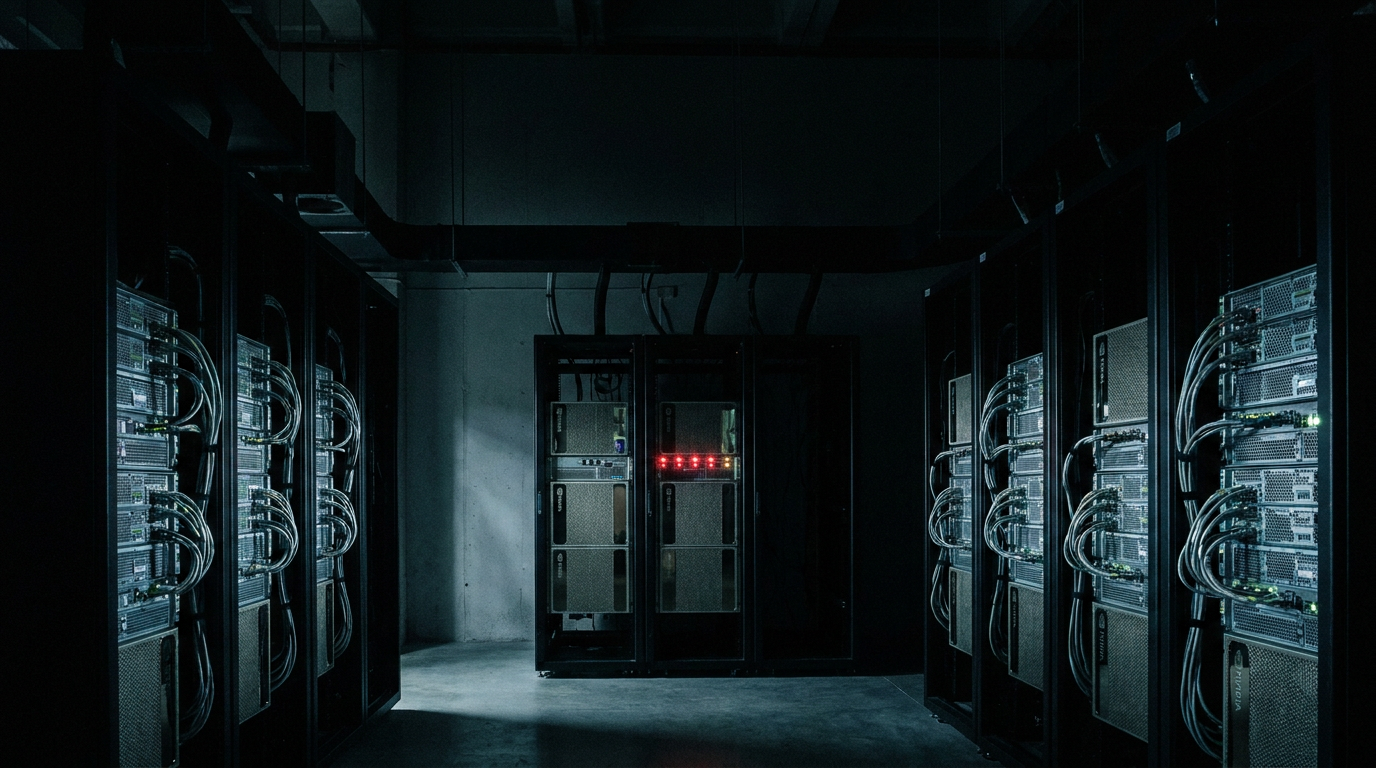
Perplexity AI launched Portable Computer for Nvidia desktops, bringing a 27B-parameter agent model onto DGX Spark hardware.
The product shifts Perplexity’s agent software from a cloud service to a local workstation, aiming at users who want multi-step automation on their own machines. The company said the tool can handle work such as web application development, online research, data science and coding.
DGX Spark gets local agents
Portable Computer is the on-device counterpart to Perplexity Computer, a cloud-based agent the company introduced in February. Both systems are built to break larger tasks into smaller jobs, then route those jobs to subagents when the work takes longer to complete.
The desktop version is designed for Nvidia’s DGX Spark, a compact computer built around a graphics card using the chipmaker’s Blackwell architecture. The system also includes a 20-core central processing unit and 128 gigabytes of memory, according to the product details described by Perplexity.
Qwen model meets a ceiling
At launch, Portable Computer runs on Qwen 3.8 27B, an open-source language model used to automate prompts and related tasks. Perplexity also supports PPLX 27B, a version of the model it optimized for DGX Spark hardware.
The company added a multi-token prediction feature, a mechanism intended to process prompts faster by generating more than one token at a time. That matters for agent workflows because longer jobs can require repeated model calls, file handling and intermediate checks before the system returns an answer.
Qwen 3.8 27B has a 256,000-token context window, but Perplexity said its testing showed performance weakens when prompts exceed 100,000 tokens. Portable Computer addresses that gap with context compaction, which summarizes large inputs to bring them below the threshold identified by the company.
The product also includes pre-packaged skills, which are file collections containing instructions and other assets meant to improve prompt responses. Perplexity said the first set is focused on research, data science and coding, and includes a mechanism for checking the accuracy of responses.
Nvidia talks frame the launch
The release comes after a report that Nvidia is considering an investment in Perplexity that could value the startup at more than $30 billion. The same report said Nvidia has discussed licensing Perplexity’s technology and hiring key employees, but those discussions have not been presented as completed transactions.
Those talks, if they proceed, would tie Perplexity more closely to the company whose chips already anchor much of the generative AI infrastructure market. For Perplexity, deeper access to Nvidia hardware and distribution could support its effort to move beyond search-style answers into agentic software that performs tasks.
The broader sector question is whether AI agents move mainly through cloud platforms or through local machines built for model-heavy work. Cloud agents can scale across data centers, while on-device systems may appeal to customers focused on latency, data control or predictable hardware capacity.
If Portable Computer keeps long prompts under the 100,000-token operating threshold without losing useful detail, Perplexity gains a clearer route into workstation-based AI workflows. That path would support demand for Nvidia desktop systems and reinforce an industry shift toward specialized local AI hardware.
If the tool struggles on complex tasks, cloud services are likely to remain the main venue for high-volume agent workloads. In that case, Perplexity would still have a desktop product, but the wider industry would have less evidence that local AI agents can displace data-center execution for demanding work.