Indonesian Wildfires Spread Amidst El Nino Intensification
Widespread Indonesian forest and peatland fires are worsening due to El Nino, affecting regional air quality, health, and triggering government action.
Lauren Collins ·
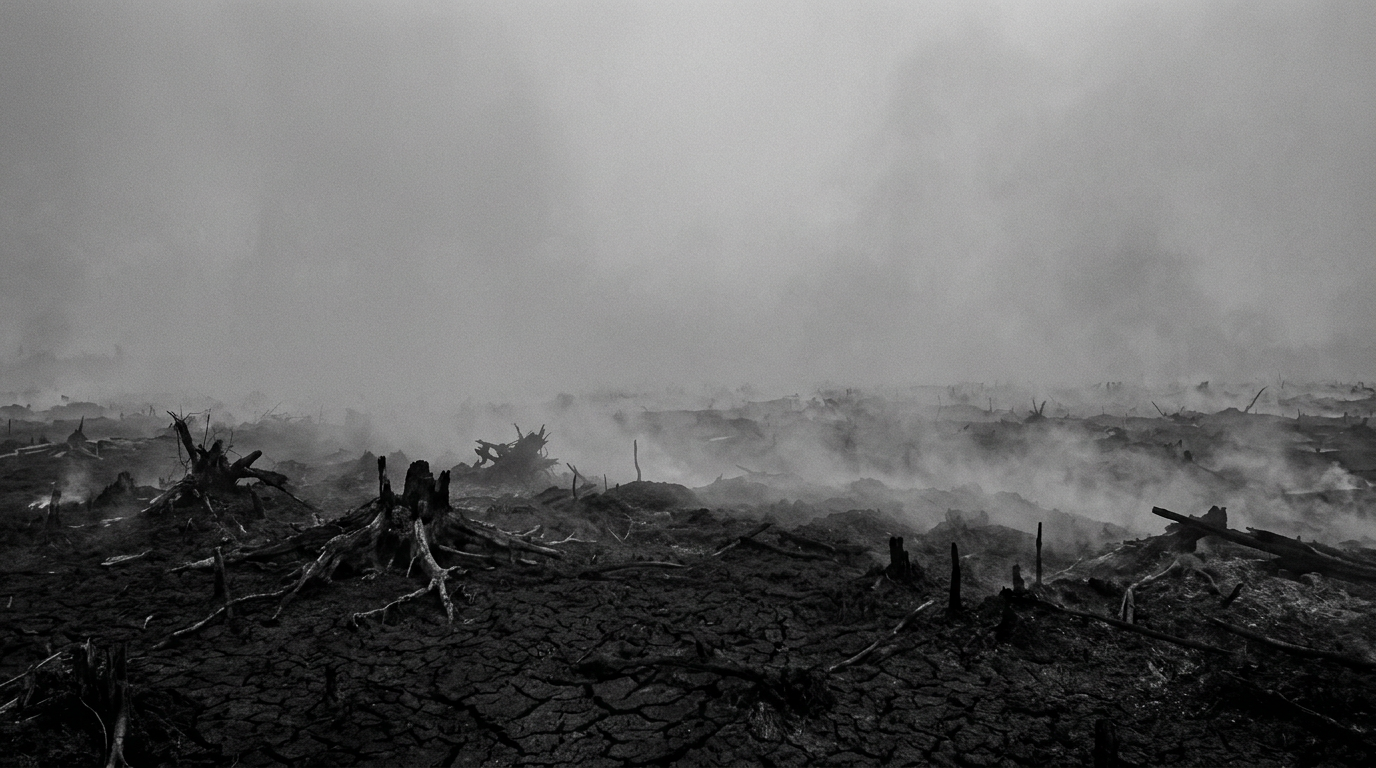
Widespread forest and peatland fires are currently impacting regions across Kalimantan and Sumatra, exacerbated by a severe El Nino weather pattern. These blazes are significantly degrading regional air quality, with smoke plumes extending into neighboring countries like Malaysia and Singapore. Data from the forestry ministry indicates that approximately 94,000 hectares burned during July alone.
The current crisis is a result of both traditional agricultural practices, such as slash-and-burn, and the extreme dry conditions associated with the ongoing El Nino cycle. A particular challenge in suppressing these fires arises from degraded peatlands, often a consequence of drainage networks established for pulp and palm oil plantations. These degraded areas allow fires to smolder deep underground, making them exceptionally difficult to extinguish.
Public Health Emergency
The trans-boundary haze generated by the fires has led to a significant increase in respiratory health issues within Indonesia. In West Kalimantan, emergency room visits have seen a tenfold increase since July. Weekly visits climbed from about 500 in the first half of the year to approximately 5,000, according to health ministry data. This surge highlights the direct and severe impact on public health.
Authorities anticipate the persistent dry season will continue until November, which is expected to further deteriorate air quality across affected territories. Regional officials are making preparations for potential school closures and implementing additional emergency health measures to mitigate the ongoing crisis.
Government Response and Expert Concerns
In response to the escalating situation, the Indonesian government has initiated enforcement actions. These measures include the arrest of 72 individuals suspected of deliberately starting fires, primarily for land clearing associated with plantations. Furthermore, orders have been issued to revoke business permits for corporations found to be involved in illegal land clearing activities.
Despite these efforts, experts have cautioned that current containment strategies are largely reactive. They emphasize that effective long-term prevention requires addressing the fundamental issue of soil degradation. This involves halting the conversion of peatlands and actively restoring damaged areas, rather than solely focusing on the suppression of existing fire hotspots.
Economic and Environmental Outlook
The intensification of the El Nino cycle and the prolonged dry season present a challenging outlook for both the environment and the regional economy. Continued haze poses a threat to trade and tourism across Southeast Asia, potentially disrupting shipping and air travel. For Indonesian palm oil and pulp companies, stricter enforcement and the risk of permit revocations could lead to operational disruptions and increased scrutiny.
A significant environmental concern remains the long-term impact on Indonesia's unique rainforests and peatland ecosystems. These vital ecosystems serve as critical carbon sinks, and their continued destruction has broader implications for global climate efforts.