India Secures Japanese Interest in Robotics Sector
India's Commerce Minister concluded a Japan visit, securing preliminary interest from Japanese firms for a potential robotics manufacturing project.
Mateo Fernandez ·
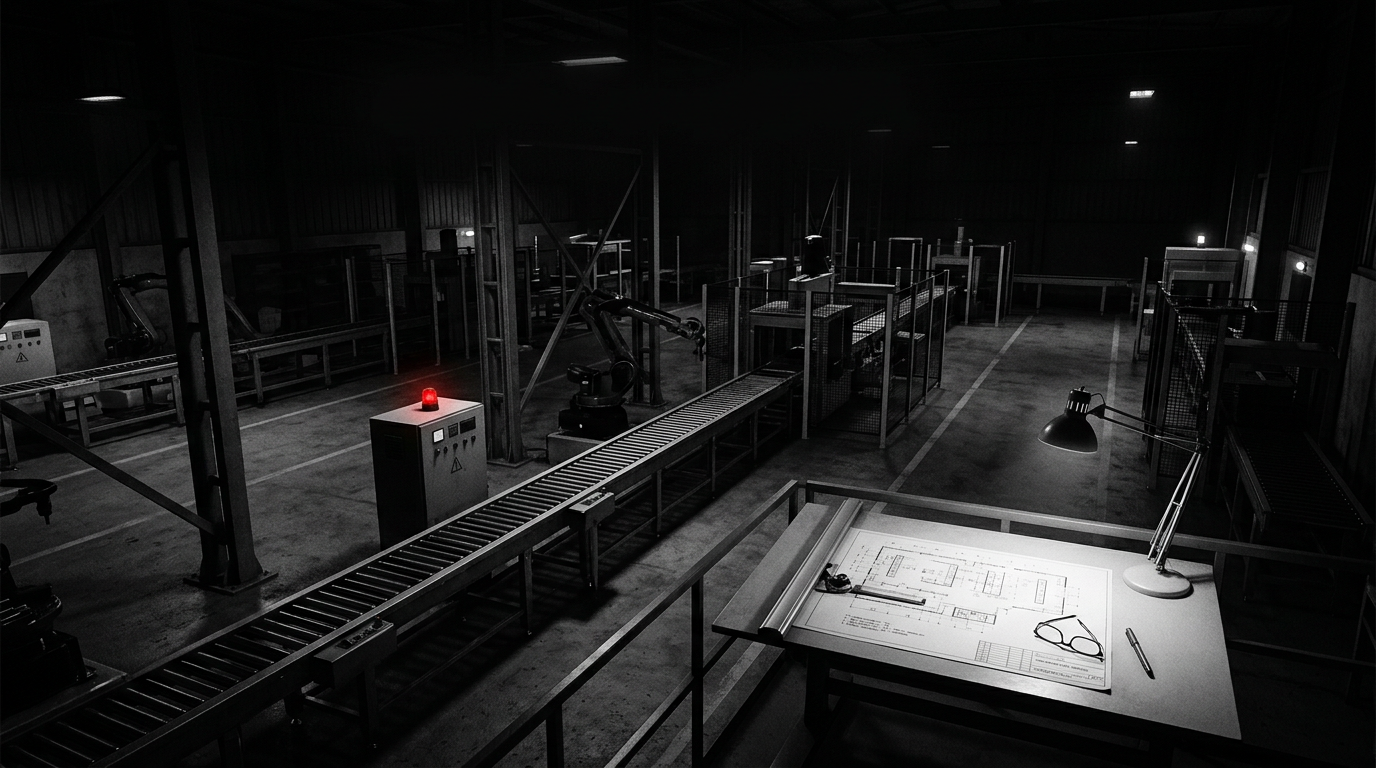
India's Union Commerce and Industry Minister, Piyush Goyal, concluded a four-day visit to Japan on Thursday, during which he engaged with various Japanese entities to foster economic cooperation. The trip reportedly generated significant interest from Japanese companies, leading to early investment discussions, particularly in the robotics manufacturing sector.
Officials indicated that an emerging agreement involves Japanese firms exploring local plant capacity and commercial collaborations within India. While specific terms and timelines for this potential venture are still under discussion, the ministry characterized the outcome as a preliminary agreement in principle rather than a definitive, signed contract. Further technical and commercial due diligence processes are currently underway to assess the feasibility and scope of the proposed investments.
Potential for Manufacturing Growth
Should this investment materialize, officials anticipate it would more closely integrate Japanese robotics supply chains with India's manufacturing capabilities. This linkage is expected to boost India's goods exports and generate new supplier contracts for local component manufacturers, thereby strengthening the domestic industrial ecosystem. The focus on robotics aligns with India's broader 'Make in India' initiative, aiming to enhance local production and technological advancement.
The strategic importance of such collaborations extends beyond immediate manufacturing. It could facilitate technology transfer, skill development, and the creation of high-value jobs, contributing to India's ambition to become a global manufacturing hub. Robotics and automation are key areas for industrial modernization, and Japanese expertise in these fields is highly regarded.
Next Steps and Future Outlook
Officials stated that follow-up meetings are scheduled to advance negotiations. The objective is to achieve formal commitments by September 30, 2026. However, it was also noted that if negotiations encounter difficulties, outcomes might be limited to memoranda of intent and exploratory visits rather than immediate factory construction. This highlights the early stage of the discussions and the complexities involved in international investment deals.
Any formal agreement would be announced only after critical aspects such as equity participation, local sourcing requirements, and technology collaboration frameworks are finalized. This structured approach underscores the careful consideration given to long-term partnerships and mutual benefits. The engagement with Japan represents part of India's ongoing efforts to diversify its economic partnerships and attract foreign direct investment into key strategic sectors.