France Temporarily Eases Cheese Standards Amid Severe Drought
French regulators have eased AOP cheese production rules to allow supplemental feeding as historic drought conditions decimate grazing pastures.
Lauren Collins ·
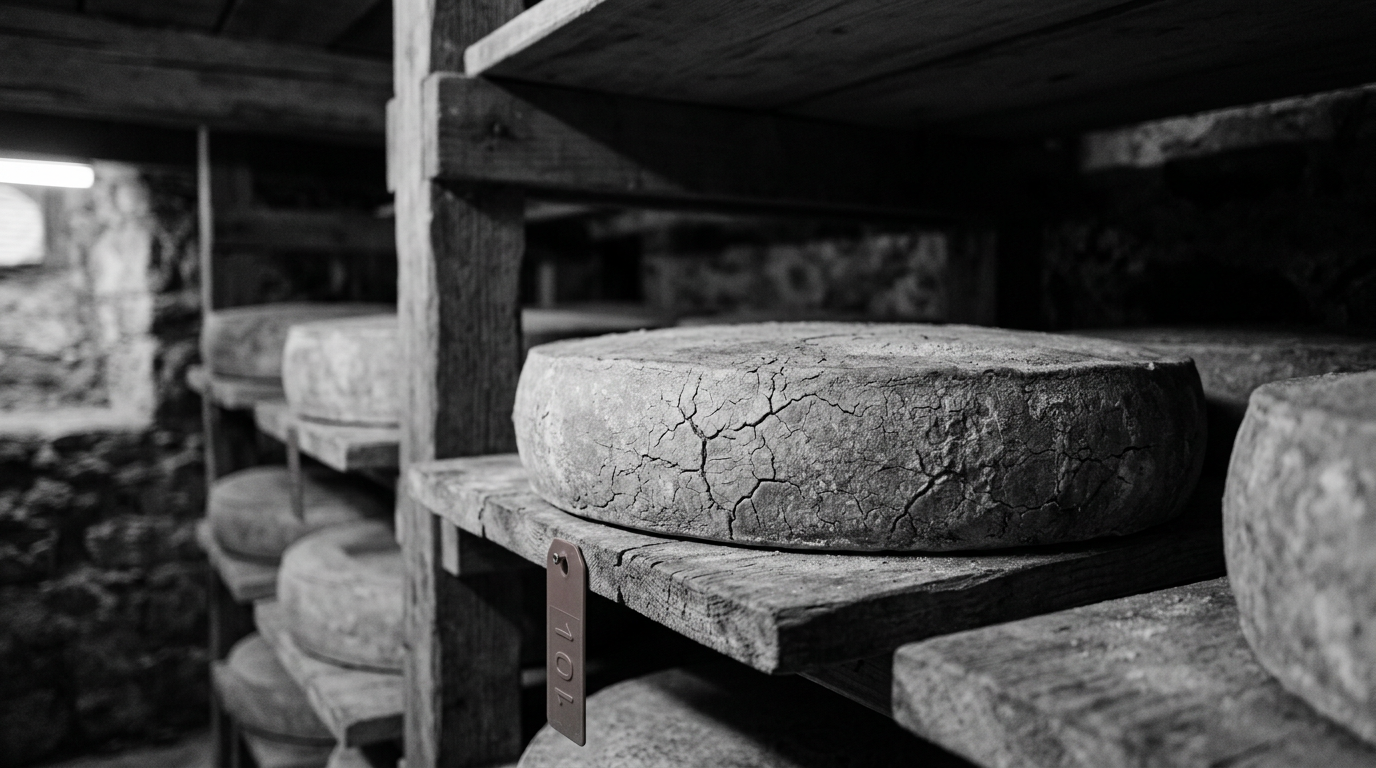
French authorities on Wednesday authorized temporary adjustments to strict production standards for Comté, Beaufort, and Abondance cheeses, following severe drought conditions across the country. The Institute of Origin and Quality (INAO) granted producers permission to supplement livestock diets with external fodder and grain. This measure temporarily deviates from protected designation of origin (AOP) requirements that mandate specific grazing practices for these traditional cheeses.
The policy shift addresses widespread degradation of permanent grasslands, which the French agriculture ministry reported are yielding one-third less biomass than their 1989-2018 average. Extreme heat and water scarcity have scorched pastures, leading to declines in dairy cattle milk yields. Producers were facing a choice between violating AOP regulations or experiencing significant supply shortages.
Agricultural Sector Faces Biomass Decline
The environmental stress has already halted production for approximately 70 percent of Salers cheese makers this summer. The authorization for supplemental feed aims to stabilize the supply chain for these high-value dairy products, though the long-term viability of traditional farming methods remains a concern.
The Institute
The drought affected 95 percent of mainland France in July. This widespread impact has prompted the government to evaluate further relief for other agricultural sectors. Potato and cider production are among those under consideration, as climate-related volatility continues to disrupt established agricultural cycles.
Future Relief for Other Crops Considered
Looking ahead, the continuation of these drought conditions or similar climate events could necessitate broader policy adaptations across French agriculture. The immediate measure provides a temporary buffer, but ongoing environmental changes may require more permanent shifts in agricultural practices to ensure consistent food supply and protect traditional production methods.