CIA Director Holds Moscow Talks While Kyiv Pauses Strikes
CIA Director John Ratcliffe held four hours of unannounced Kremlin talks as Washington asked Kyiv to pause strikes during the Moscow visit.
Lauren Collins ·
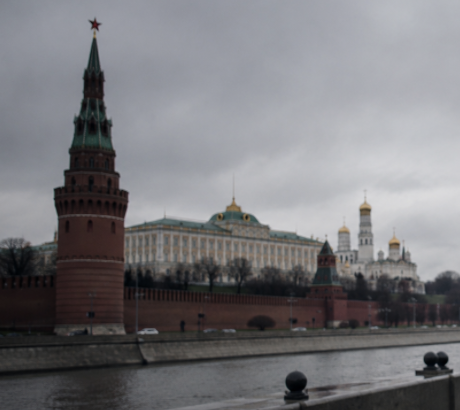
CIA Director John Ratcliffe held four hours of unannounced Kremlin talks as Washington asked Kyiv to pause strikes during the Moscow visit.
The trip on Tuesday marked the first comparable visit by a CIA chief to Moscow since 2021, according to the account. Neither Washington nor the Kremlin released a public description of Ratcliffe’s meetings, leaving the purpose of the mission formally undisclosed.
The request to Kyiv gave the trip an immediate operational frame. A temporary halt in strikes during Ratcliffe’s stay would reduce the risk that a military incident overtook talks intended to carry a private message between Washington and Moscow.
Four hours in Moscow
Ratcliffe’s presence in the Russian capital stood out because intelligence chiefs usually travel with less public choreography than cabinet officials, and often when governments want a channel insulated from formal diplomacy. The absence of an official readout also limits what can be stated about the agenda.
The talks may have included the possibility of a prisoner release or Russia’s backing for Iran, according to the account. Both topics would fit a channel where governments need deniability, speed, or a way to test terms before elected officials attach their names to a deal.
Prisoner negotiations can require intelligence services to verify custody, sequencing and safe transfer arrangements. Russia’s support for Iran, if discussed, would place the Moscow meeting inside a wider security map that links the war in Ukraine, Middle East alignments and US efforts to deter escalation.
NATO risk framed privately
Recent intelligence reports indicate Russia could launch limited attacks on NATO members while facing mounting battlefield and economic pressure, according to the source material. That claim is consequential and remains attributed to the reported intelligence picture, not independently verified here.
Experts cited in the account suggested Ratcliffe may have gone to Moscow to warn the Kremlin against testing NATO’s perimeter. A former US intelligence official, not named in the account, described the possible message this way: “It could be to say ‘We know what you are thinking about doing, and you better not.’”
The wording matters because it points to deterrence rather than negotiation alone. A warning delivered by a CIA director can tell an adversary that Washington believes it has visibility into planning, even when the US does not want to disclose how that visibility was obtained.
For NATO governments, the risk described in the intelligence reporting is not confined to a battlefield exchange. A limited Russian move against a member state could force alliance capitals to decide how to respond under treaty commitments while avoiding a wider war.
Kyiv’s pause narrows risk
Kyiv’s requested pause carried its own political cost. Ukraine has used strikes as part of its war effort, and even a short interruption during a US official’s travel underscores how Washington can still shape the tempo of Ukrainian operations at sensitive moments.
For President Trump’s administration, the visit creates both leverage and exposure. If Moscow accepts the warning and avoids direct action against NATO territory, the White House can preserve a back channel while keeping public diplomacy sparse.
If Russia instead proceeds with limited attacks, the same trip could become evidence that private deterrence failed. That would put pressure on Washington to respond visibly, and on European governments to reinforce air defense, intelligence sharing and border security.
Three paths from Ratcliffe’s trip
If the Moscow talks were mainly about prisoners, the immediate gain would be humanitarian and political rather than macroeconomic. The CIA’s role would center on verification and sequencing, while the wider security sector would read any release as proof that intelligence channels remain usable despite the war.
If the trip focused on Russia’s support for Iran, the mechanism would run through military supply lines, sanctions enforcement and regional deterrence. A firmer Russian-Iranian link could complicate US planning in two theaters at once, while any restraint from Moscow would reduce one source of pressure on Washington’s allies.
If the core purpose was to warn against action involving NATO members, the stakes move from intelligence messaging to alliance credibility. A credible warning could lower near-term escalation risk; a failed one would push governments toward higher defense readiness and make private diplomacy harder to sustain.
The main open questions are what Ratcliffe told Kremlin officials, whether Kyiv’s pause lasted beyond the visit, and whether Moscow treats the channel as a warning or an opening. Until either government provides more detail, the most important fact is the channel itself: four hours in Moscow, without public terms attached.