China Expands Coal Liquefaction to Reduce Oil Imports
China is significantly boosting its coal liquefaction capacity to lessen reliance on crude oil imports, strengthening energy security and leveraging domestic coal reserves.
Atlas Newsdesk ·
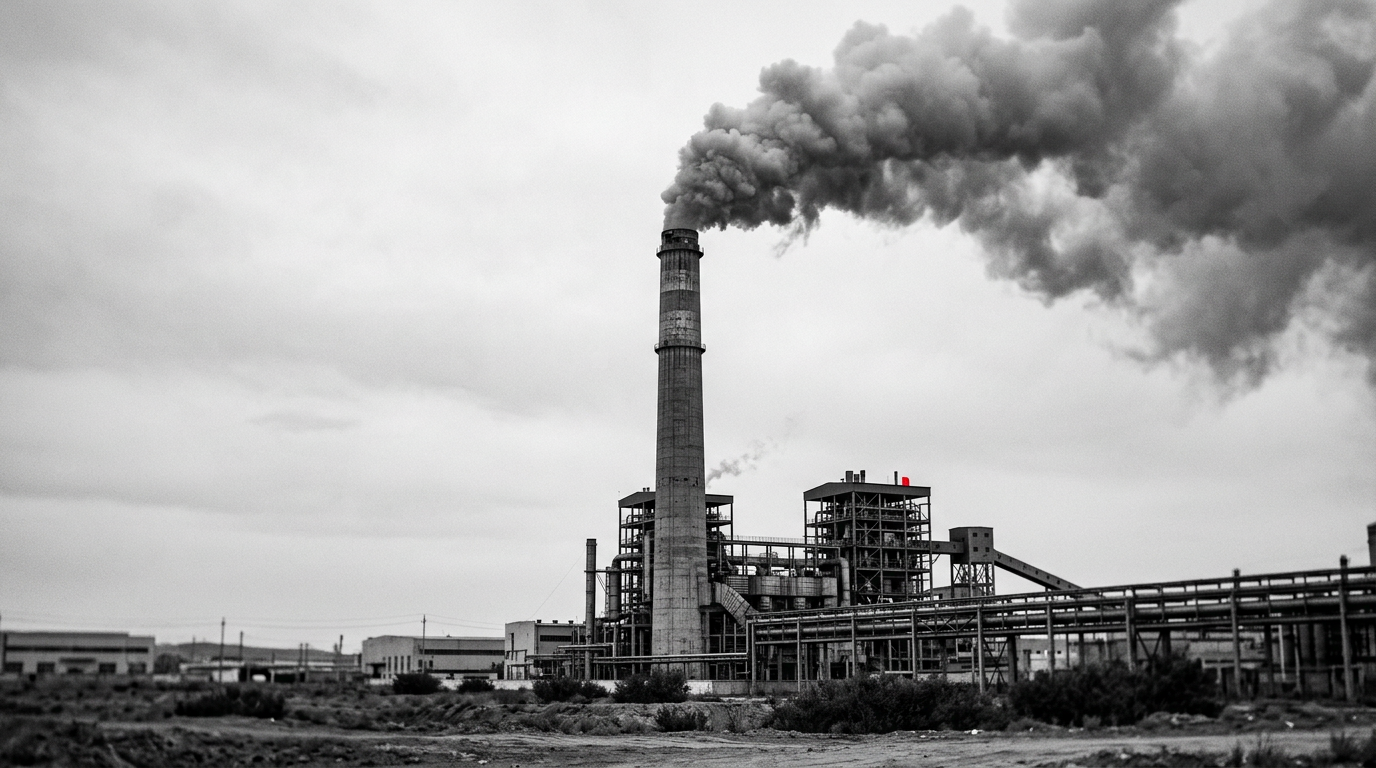
China is actively increasing its indirect coal liquefaction capacity, a strategic move designed to decrease its dependence on imported crude oil. This national initiative aims to enhance the country's energy security and mitigate risks stemming from volatile global petroleum markets. The expanded operations are set to transform domestic coal resources into various high-value liquid products, thereby boosting the nation's self-sufficiency.
A major facility located in Ningxia is central to this ambitious effort. This plant is projected to process approximately 24 million tonnes of coal annually by the year 2025. Through a sophisticated industrial process, raw coal is converted into essential materials, including specialized rocket fuel and critical industrial lubricants. Officials report that these technological advancements are expected to multiply the economic utility derived from China's extensive domestic coal reserves by a factor of seven.
Strategic Energy Transition and Market Stability
This strategic pivot towards coal liquefaction comes after a period marked by considerable instability in international oil markets. Disruptions to global supply chains, particularly those originating from the Middle East, have highlighted the vulnerability of nations heavily reliant on external energy sources. By leveraging its abundant domestic coal, China aims to construct a more stable and resilient energy infrastructure, one that is less susceptible to international geopolitical upheavals.
The operational effectiveness of these coal-to-liquid plants offers a crucial safeguard against sharp fluctuations in global oil prices and potential impediments to maritime trade routes. This long-term energy strategy aligns with China's broader objectives of ensuring consistent resource access and insulating its economy from external shocks. While the country continues to be a significant importer of crude oil, these domestic initiatives represent a deliberate move towards diversification.
Expanding Domestic Capacity and Resource Utilization
Investment in coal liquefaction technology has consistently been a key theme in China's industrial policy. Although the process is complex and energy-intensive, it enables the nation to utilize its vast coal reserves for the production of liquid fuels, which are vital for critical sectors such as transportation and heavy industry. This expansion reflects a clear choice to prioritize energy independence, even as global discussions around energy sources continue to evolve.
The emphasis on domestic resource utilization underscores an evolving approach to national resource management. By converting a fundamental domestic commodity like coal into a diverse array of petroleum products, China seeks to reduce the financial outflow associated with oil imports and strengthen its domestic industrial base. This policy supports the nation's broader economic and strategic goals within an unpredictable global environment.