Upadacitinib Shows Promise for Alopecia Hair Regrowth
Phase 3 trials show Upadacitinib, a JAK inhibitor, significantly promotes hair regrowth in severe alopecia areata, with many achieving 80% coverage.
Atlas Newsdesk ·
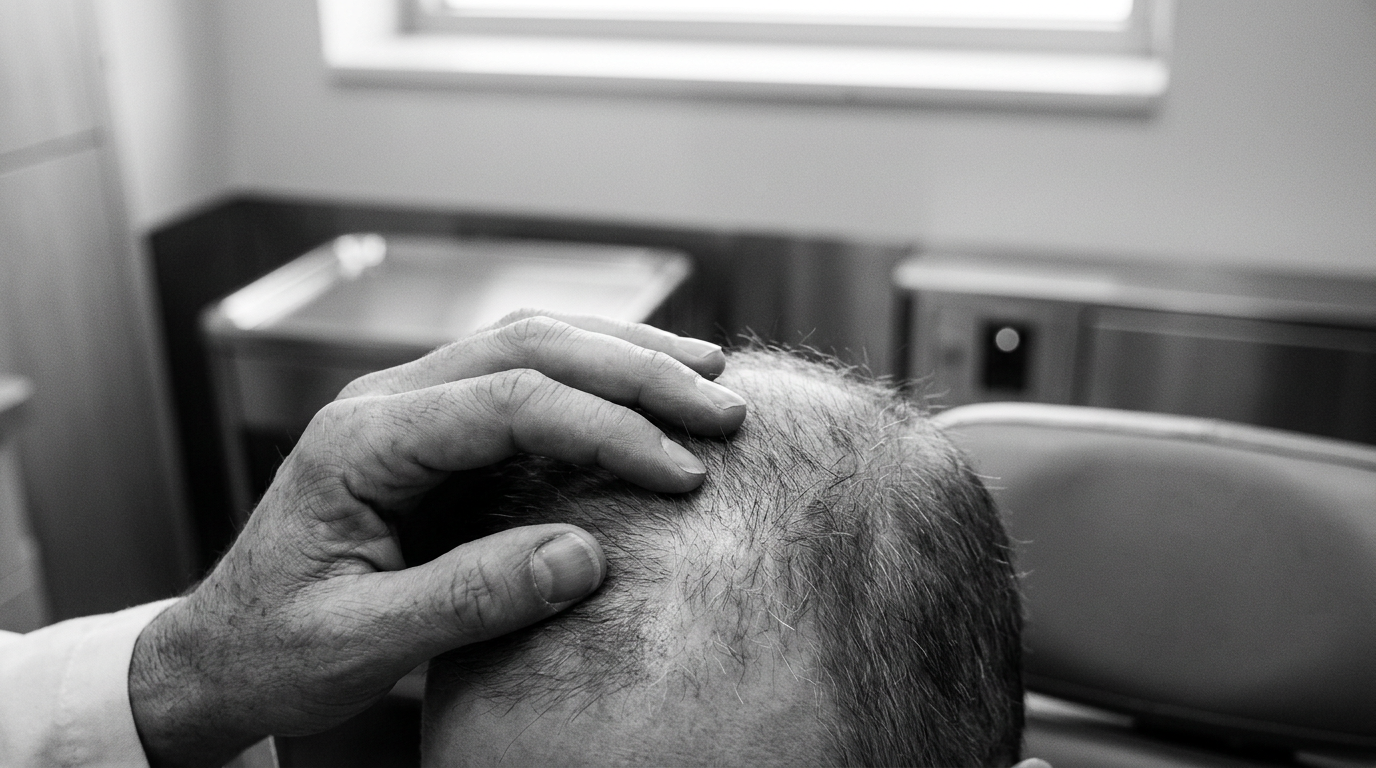
Upadacitinib, a Janus kinase (JAK) inhibitor commonly used for treating rheumatoid arthritis, has demonstrated substantial effectiveness in stimulating hair regrowth for individuals diagnosed with severe alopecia areata. Recent findings from two distinct phase 3 clinical trials revealed that approximately 50% of participants receiving the medication achieved at least 80% scalp hair coverage within a 24-week period. This outcome marks a significant contrast to the placebo group, where only 2% observed comparable results, highlighting a potentially transformative therapeutic approach.
The extensive studies involved nearly 1,400 participants and were carried out across multiple international research centers. These encouraging results point towards a novel treatment pathway for autoimmune-related hair loss, which could broaden the available options for a condition that has historically lacked consistently effective long-term solutions. Alopecia areata is characterized by the immune system mistakenly attacking hair follicles, and Upadacitinib's mechanism involves modulating these immune responses.
Clinical Trial Efficacy and Mechanism
The core action of upadacitinib centers on modulating immune responses, a crucial aspect given that alopecia areata is an autoimmune disorder. In this condition, the body's immune system erroneously targets hair follicles. The clinical trials specifically enrolled patients suffering from severe forms of alopecia areata, making the observed rates of hair regrowth particularly notable. This data suggests a potential paradigm shift in the future management of severe autoimmune hair loss, moving beyond merely symptomatic treatments to address the underlying immune dysregulation.
However, the sustained benefits derived from upadacitinib appear to be dependent on its continuous administration. Discontinuation of the treatment may lead to a recurrence of hair loss, indicating its function as a management therapy rather than a permanent cure. This necessity for ongoing use brings important considerations regarding the medication's long-term safety profile and patient adherence into focus.
Safety Considerations and Regulatory Outlook
While effective in promoting hair regrowth, upadacitinib carries systemic risks due to its immune-modulating properties. Reported adverse effects include skin reactions such as acne, respiratory infections, and irritation of the throat. These potential side effects emphasize the critical need for meticulous clinical oversight should the drug receive regulatory approval for this new indication. Healthcare providers would need to carefully weigh the significant advantages of hair regrowth against these potential systemic risks, particularly given the requirement for long-term usage.
The successful outcomes of these trials further expand the range of JAK inhibitors being considered for dermatological applications. Regulatory authorities will undertake a comprehensive assessment of all available data, encompassing both efficacy and safety findings, to determine whether upadacitinib can be approved as an additional treatment option for patients with severe alopecia areata. Such an approval would offer a valuable new therapeutic tool for clinicians and could substantially enhance the quality of life for many affected individuals, albeit with ongoing monitoring for safety concerns.